




Other References
from this Category
Villa Digital
Engineering AG
Tittwiesenstrasse 21
7000 Chur
Alte Landstrasse 248
8708 Männedorf
Zugerstrasse 53
6340 Baar
Neugasse 12
9000 St. Gallen
Kirchenbündten, Gränichen
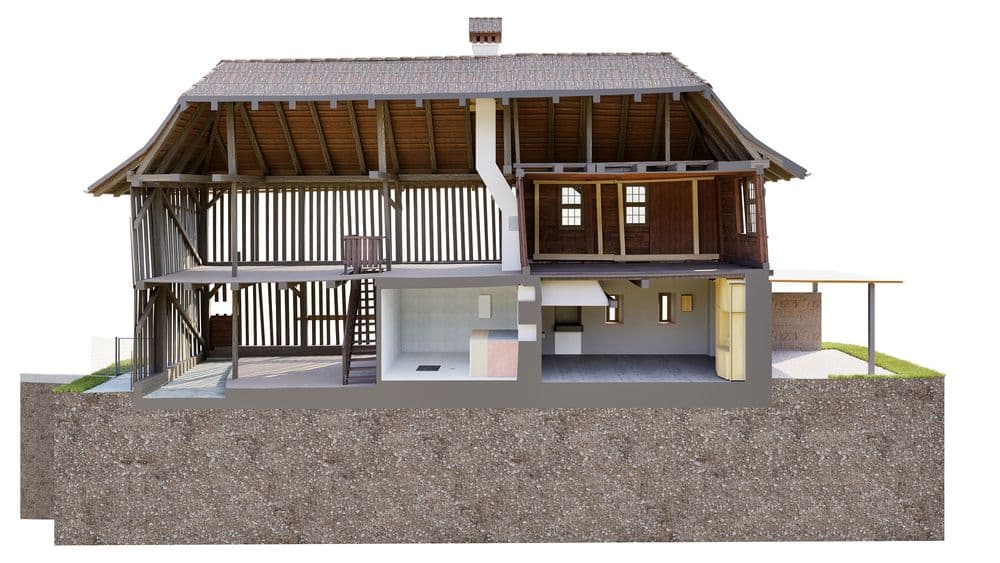
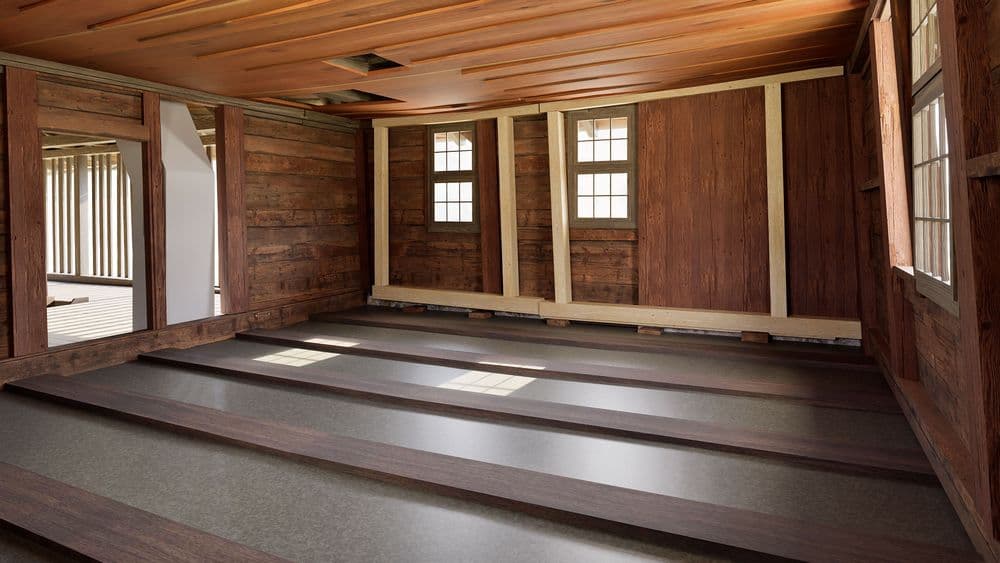
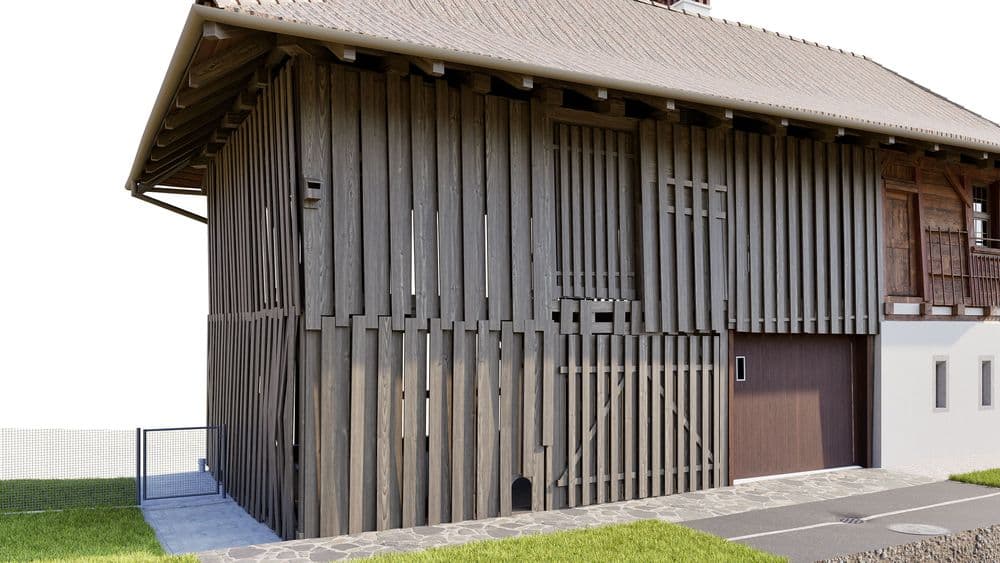
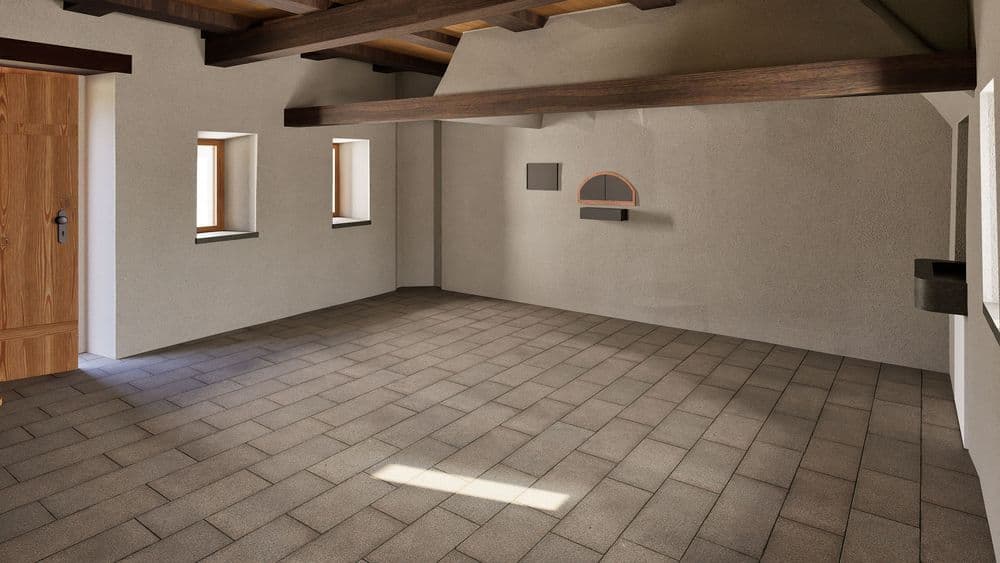
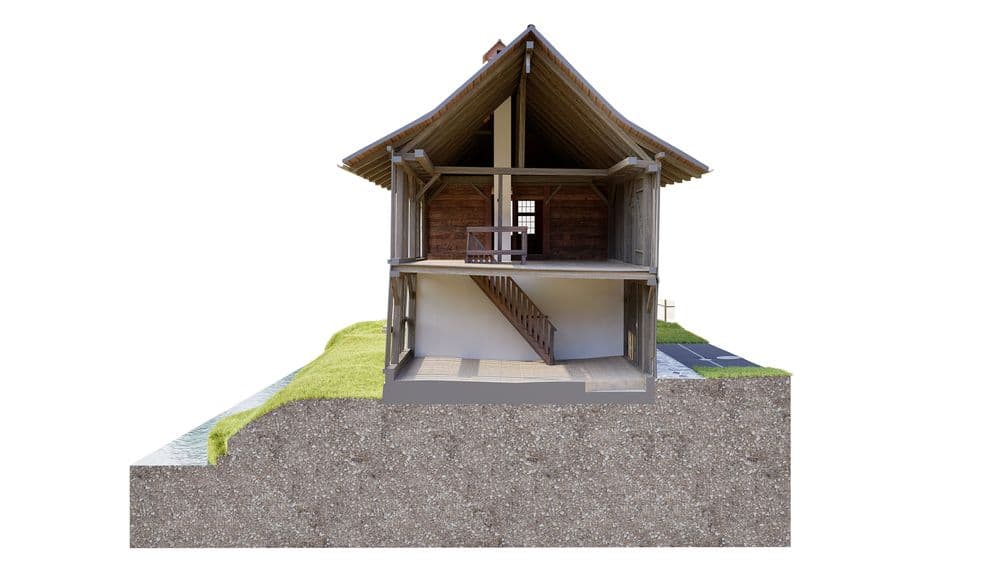
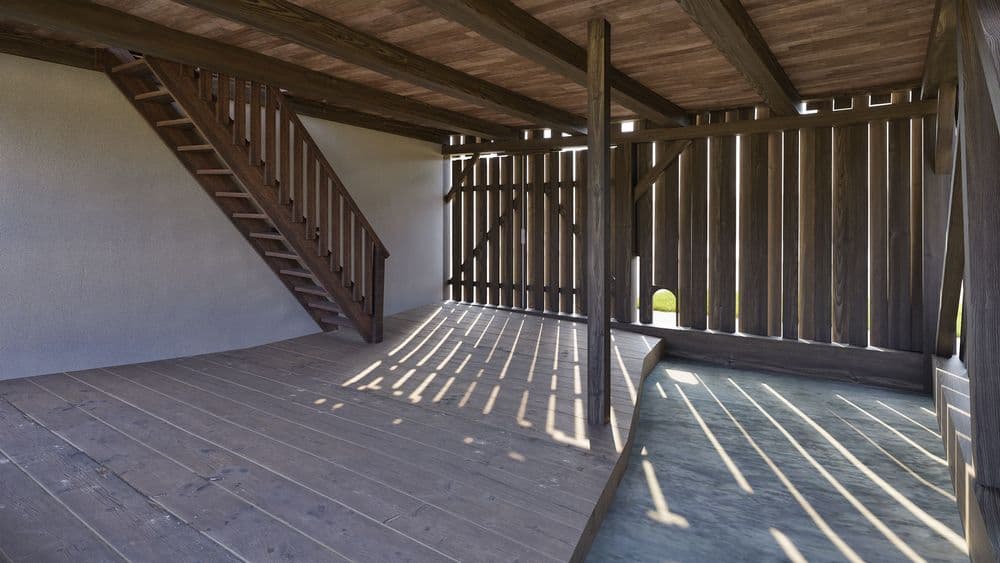
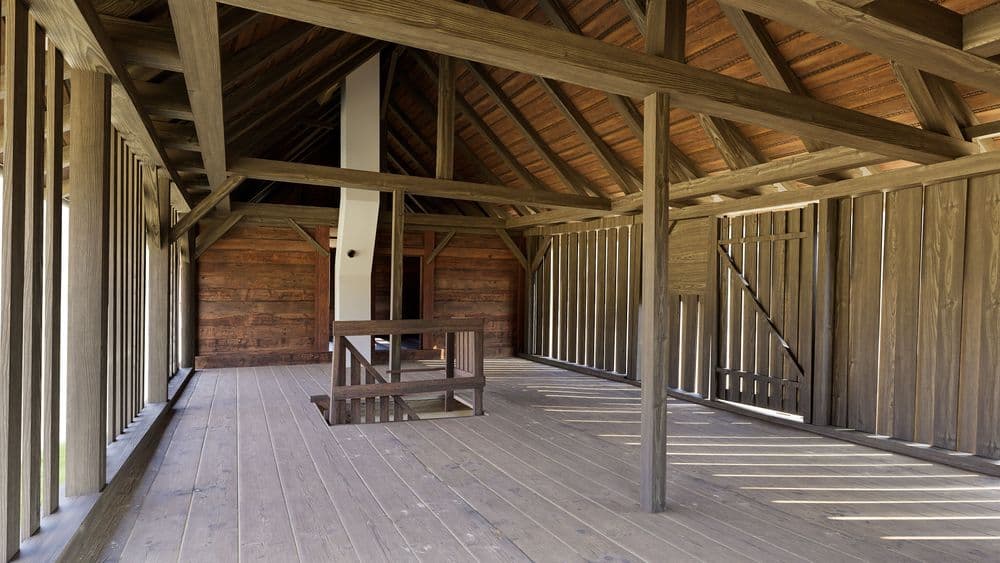
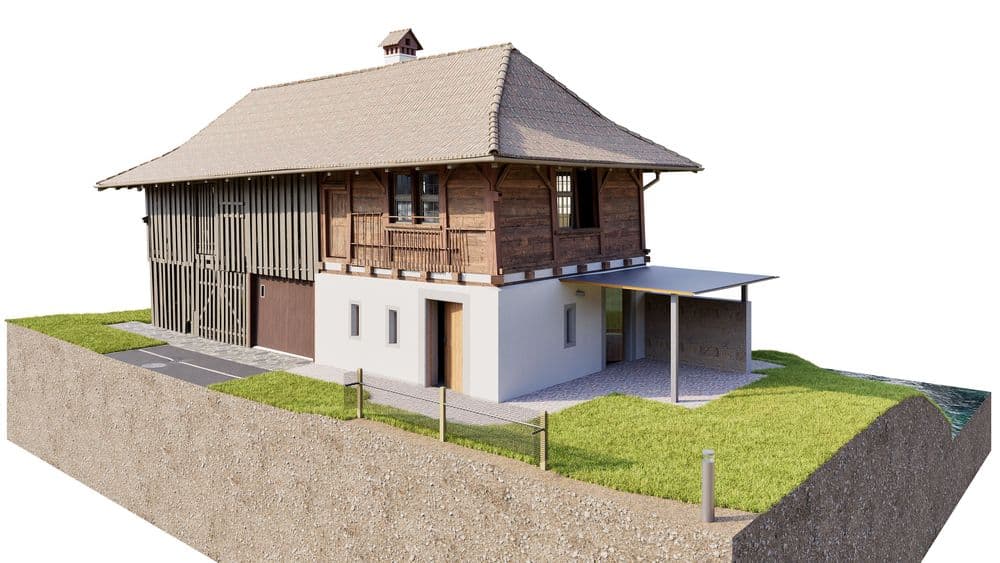
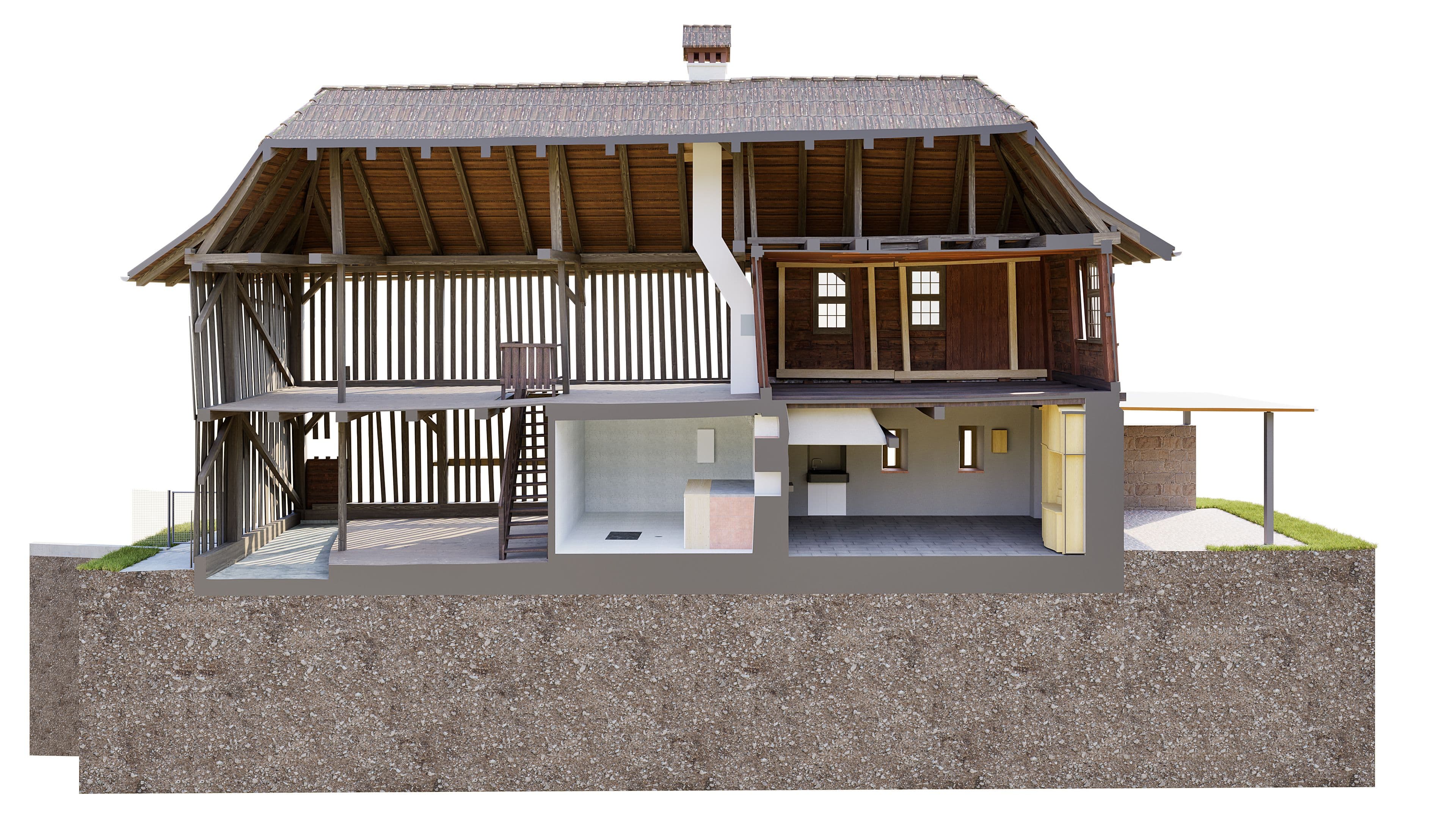
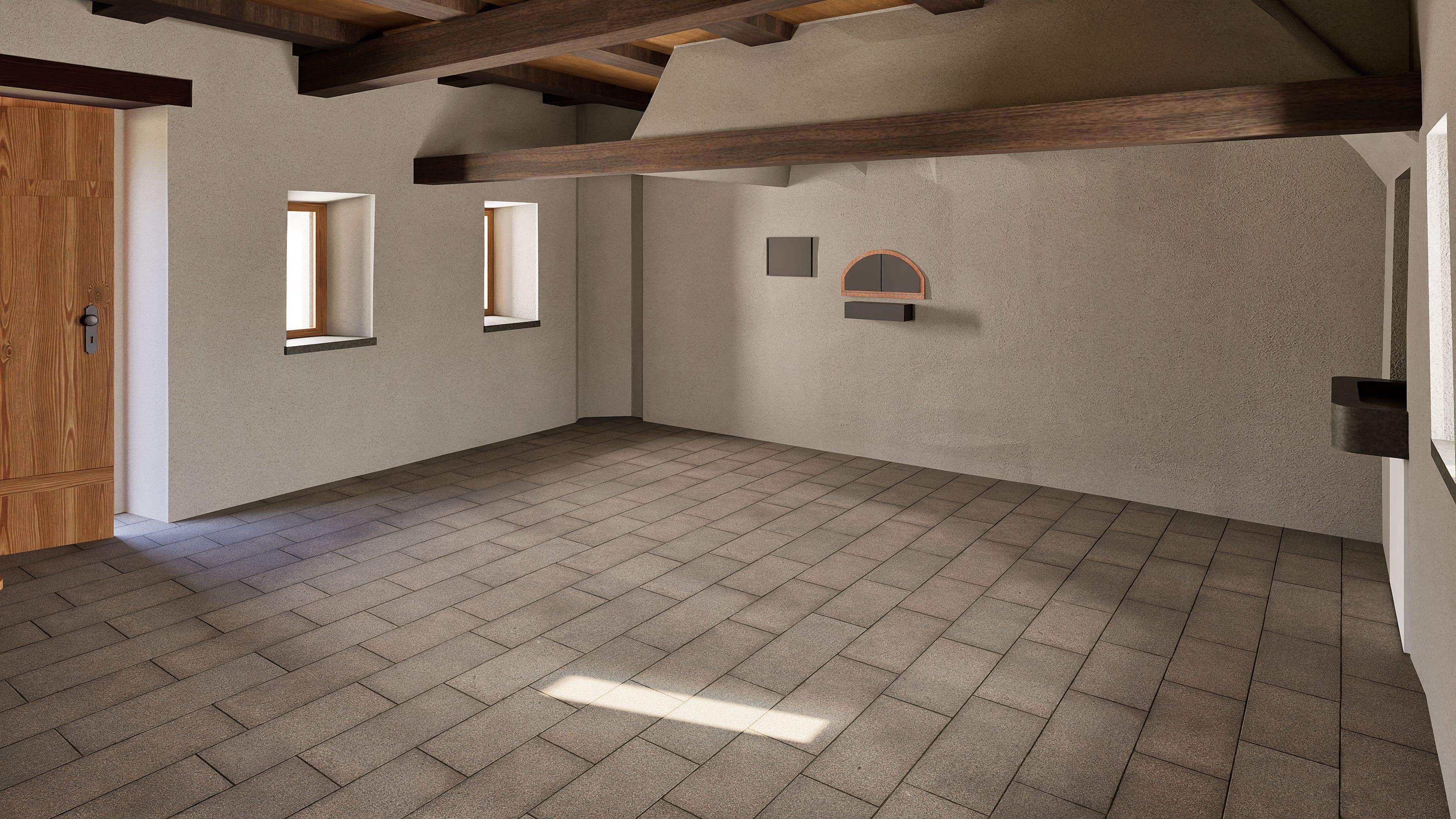
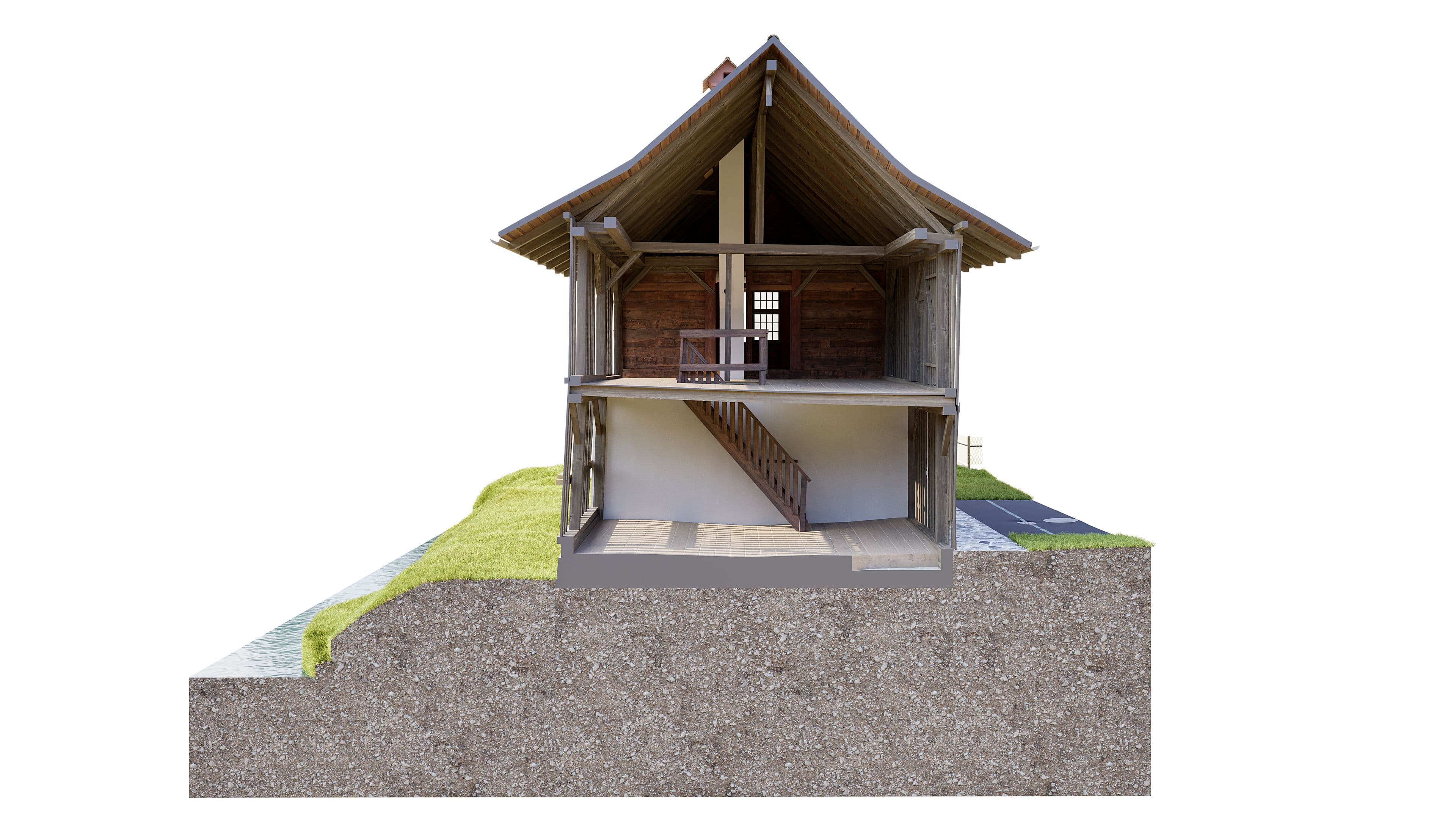
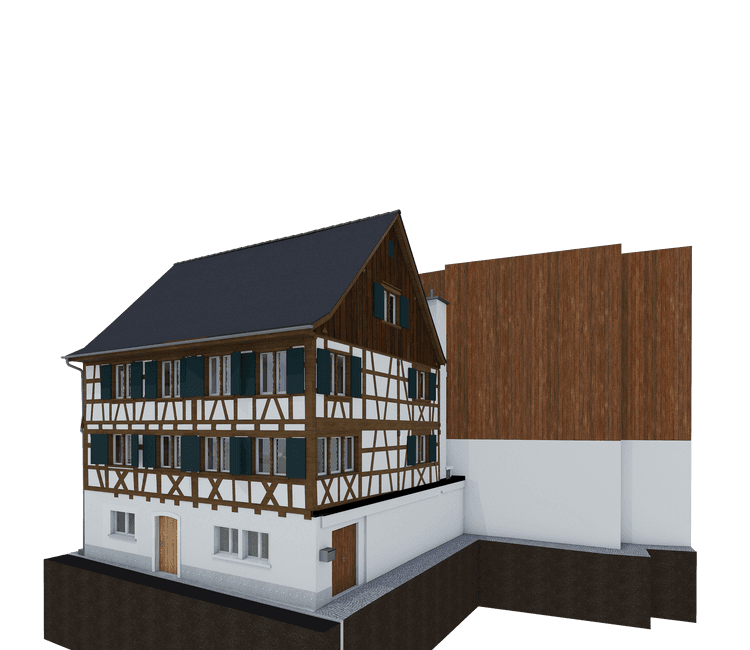
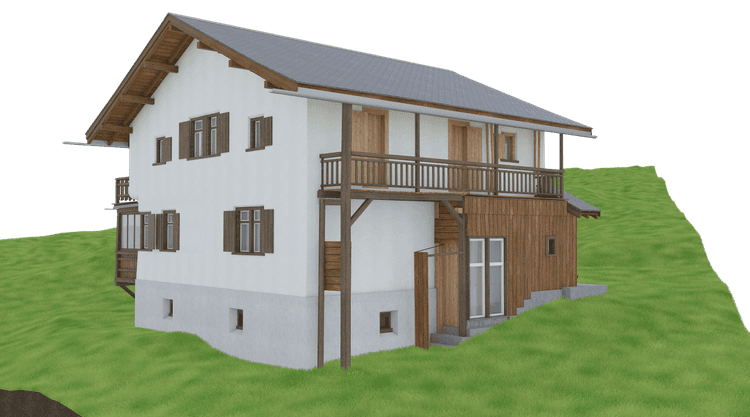
In building modelling, quality is not determined by appearance, but by how closely it matches reality. That is precisely why this project was modelled in 3D to reflect its actual condition – not idealised or interpreted, but derived from the actual state of the building. The supporting structure was constructed as it was found in the existing building: sloping supports, deflecting beams, irregular centre distances and deformed planes are deliberately part of the model. Wooden components follow their real position, roof surfaces show their actual slopes and kinks, and floors are not "neatly stacked" on top of each other, but spatially offset from each other. This approach is particularly evident in the cross-section. The construction, room heights and connections are not depicted theoretically, but geometrically consistently. Transitions between the solid base and the timber construction, settlements in the terrain and irregularities in the roof structure are retained and not smoothed out. The terrain is also not a background element, but part of the system. Embankments, terrain contours and connection heights have been precisely integrated into the 3D model so that the building and its surroundings can be read as a coherent entity. Such a model is not a visualisation product. It is a working tool – for conversion, renovation and further planning. Modelled to reflect deformation, because only a realistic inventory enables reliable decisions to be made.
In building modelling, quality is not determined by appearance, but by how closely it matches reality. That is precisely why this project was modelled in 3D to reflect its actual condition – not idealised or interpreted, but derived from the actual state of the building. The supporting structure was constructed as it was found in the existing building: sloping supports, deflecting beams, irregular centre distances and deformed planes are deliberately part of the model. Wooden components follow their real position, roof surfaces show their actual slopes and kinks, and floors are not "neatly stacked" on top of each other, but spatially offset from each other. This approach is particularly evident in the cross-section. The construction, room heights and connections are not depicted theoretically, but geometrically consistently. Transitions between the solid base and the timber construction, settlements in the terrain and irregularities in the roof structure are retained and not smoothed out. The terrain is also not a background element, but part of the system. Embankments, terrain contours and connection heights have been precisely integrated into the 3D model so that the building and its surroundings can be read as a coherent entity. Such a model is not a visualisation product. It is a working tool – for conversion, renovation and further planning. Modelled to reflect deformation, because only a realistic inventory enables reliable decisions to be made.