Monument Surveying — As Accurate as the Original.

Surveying of Historic Monuments

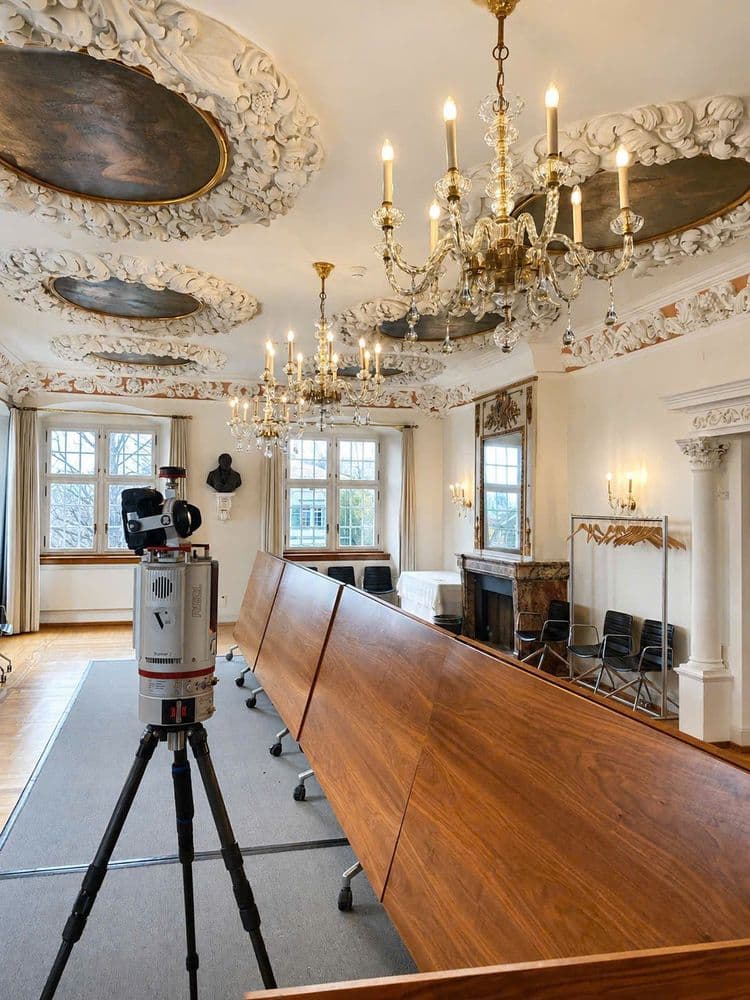
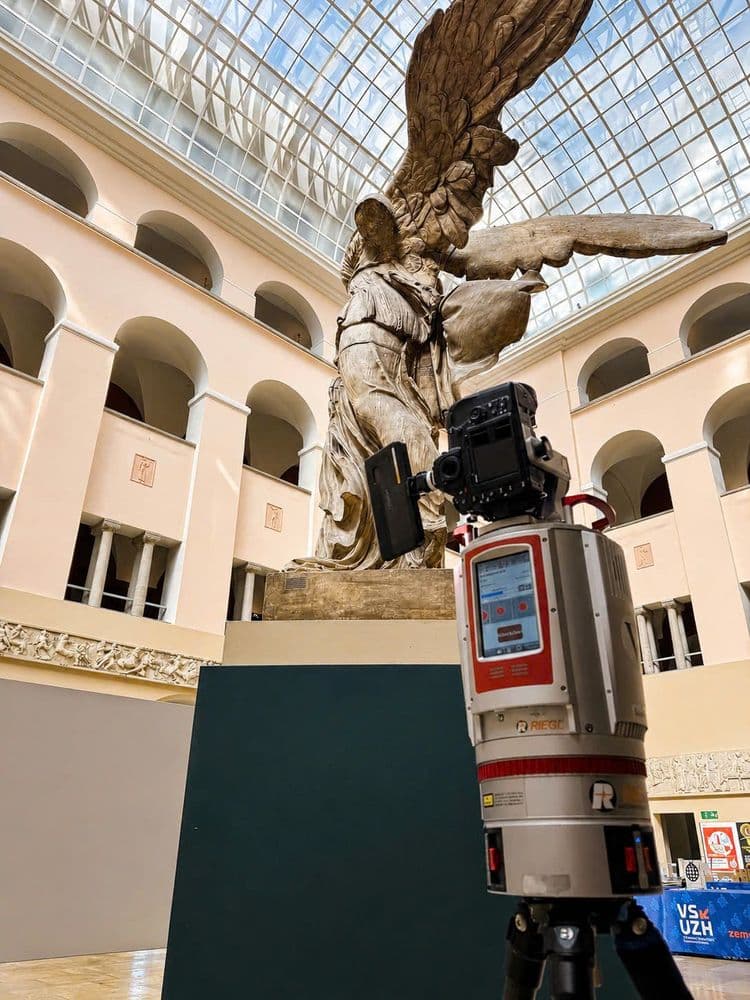
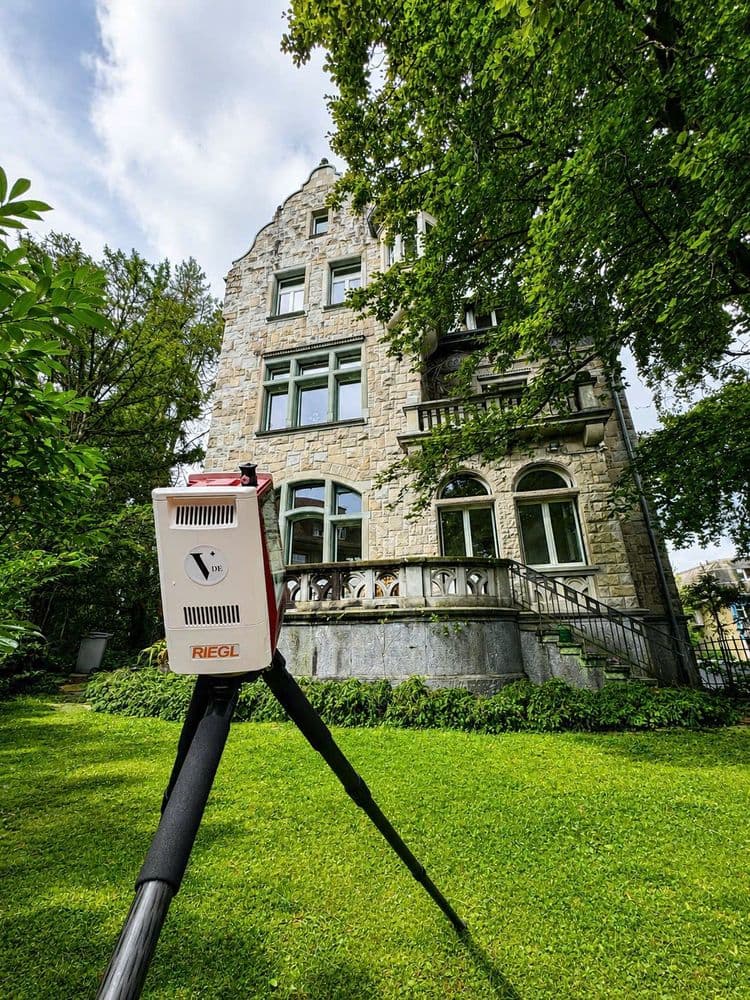
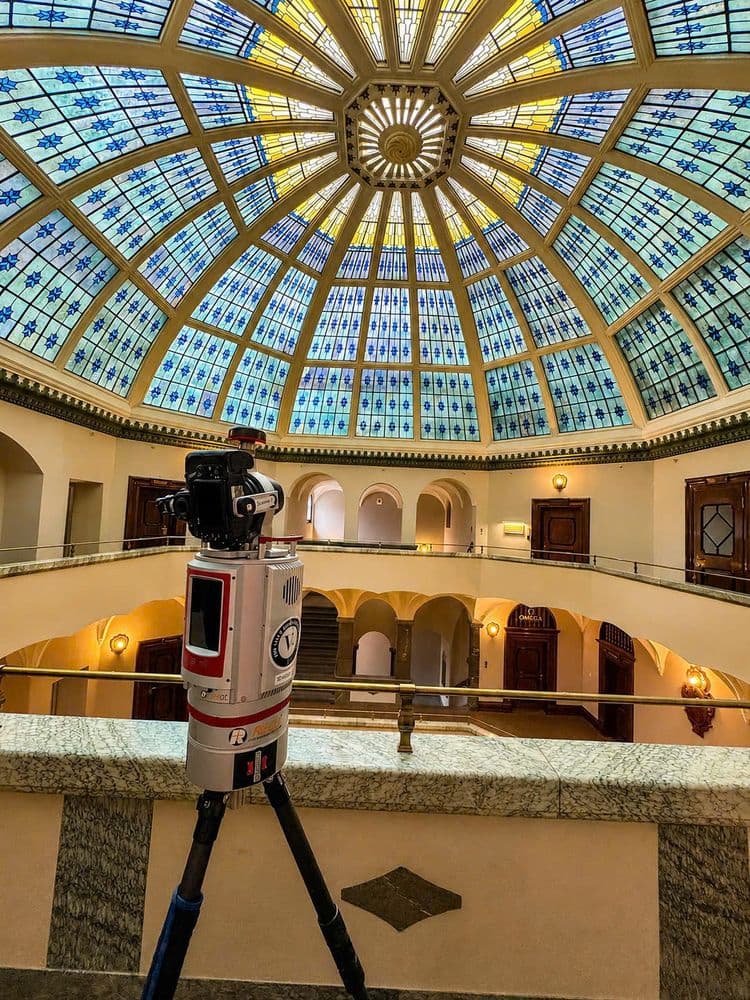
Whether it’s a church, a castle, or a historic city center—VDE uses non-contact 3D laser scanning to document historic buildings.Whether it’s a church, a castle, or a historic city center—VDE uses non-contact 3D laser scanning to document historic buildings. Every detail is documented with high precision, and every surface is fully captured—without interfering with the structure and without leaving any gaps in the data.
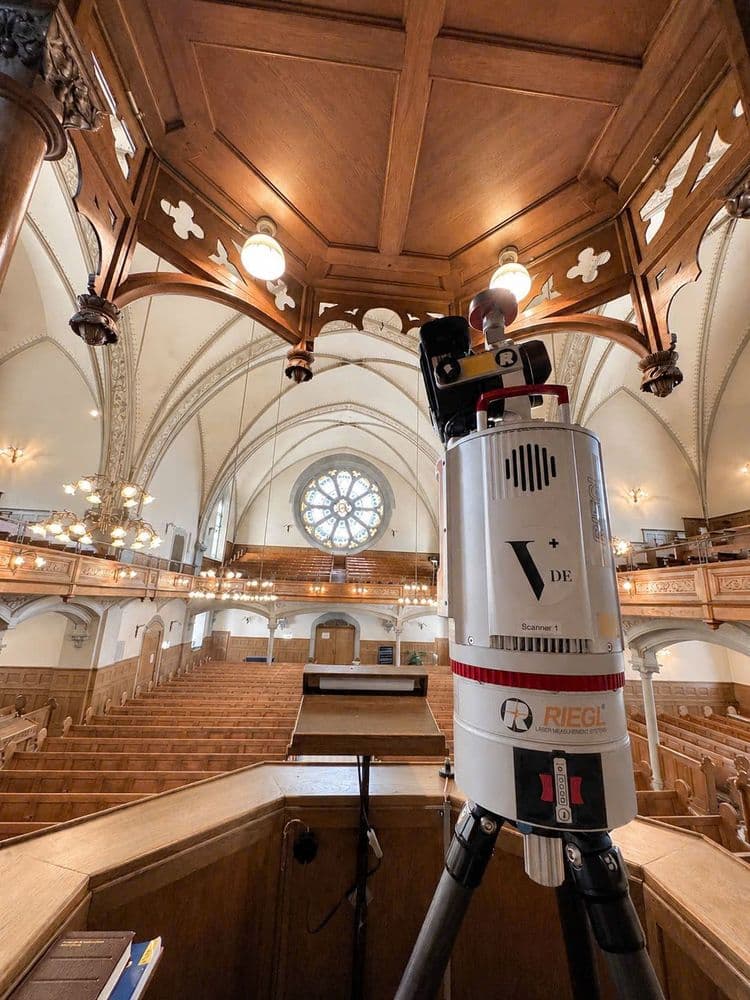
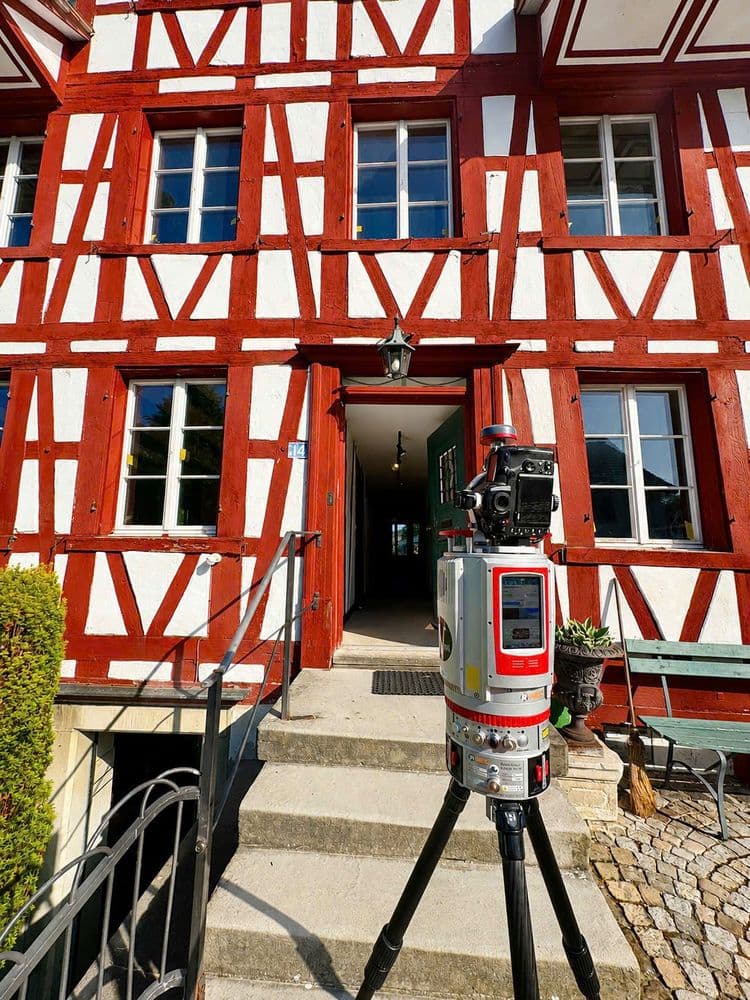
Precise Documentation of Cultural Heritage

Surveying historic sites using laser scanning enables highly precise digital documentation of historic buildings and cultural assets.

This process captures existing structures in their entirety and in great detail.

Typical applications include:

  • historic buildings
  • protected structures
  • cultural heritage sites
  • archaeological sites

This results in precise digital documentation of valuable historic structures.

Laser Scanning for Historic Buildings

3D laser scanning is increasingly being used to document historic buildings.

This technology enables particularly accurate capture of complex geometries.

Among other things, the following are captured:

  • Building structures
  • Facades
  • Vaults and structures
  • Architectural details

This results in a detailed digital inventory of historic buildings.

Recording Unique Architectural Features

Historic buildings often feature unique architectural details that are difficult to document fully using traditional surveying methods.

Laser scanning allows for the precise capture of:

  • Ornaments
  • Architectural details
  • Irregular geometries
  • Deformed structural components

These features are digitally captured and permanently documented. This results in a complete digital record of the characteristic architectural elements of historic buildings.

The Basis for Restoration

Precise surveying of historic monuments provides the necessary data foundation for restoration projects.

The information gathered helps with:

  • Planning restorations
  • Assessing the existing building structure
  • Analyzing historical building conditions
  • Preparing for interventions

This ensures that restoration projects are based on well-founded and verifiable data.

Digital Reconstruction of Historical Structures

The survey data enables the accurate digital reconstruction of historic buildings and structures.

These models are frequently used for:

  • Reconstructions of historical building conditions
  • Scientific research
  • Documentation for historic preservation
  • Analysis of historical architectural developments

This creates a digitally traceable representation of historic buildings and structures.

Basis for 3D Models and Documentation

The data obtained during historic building surveys can be reused in a variety of ways.

Typical applications include:

  • 3D as-built models
  • Digital building documentation
  • Planning basis for restorations
  • Archiving of historic buildings

This ensures that historic buildings remain digitally documented over the long term. This creates a valuable data foundation for planning, research, and historic preservation.

Villa Digital
Engineering AG

Tittwiesenstrasse 21
7000 Chur

Alte Landstrasse 248
8708 Männedorf

Zugerstrasse 53
6340 Baar

Neugasse 12
9000 St. Gallen


mail@vde.ch