More Blog Posts
Villa Digital
Engineering AG
Tittwiesenstrasse 21
7000 Chur
Alte Landstrasse 248
8708 Männedorf
Zugerstrasse 53
6340 Baar
Neugasse 12
9000 St. Gallen
Case study conversion in Seefeld, Zurich
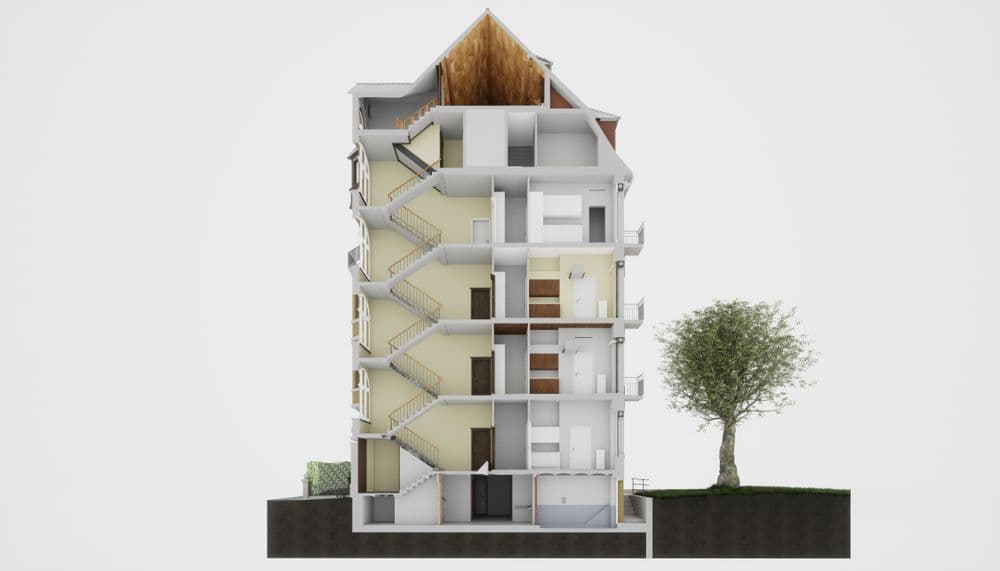
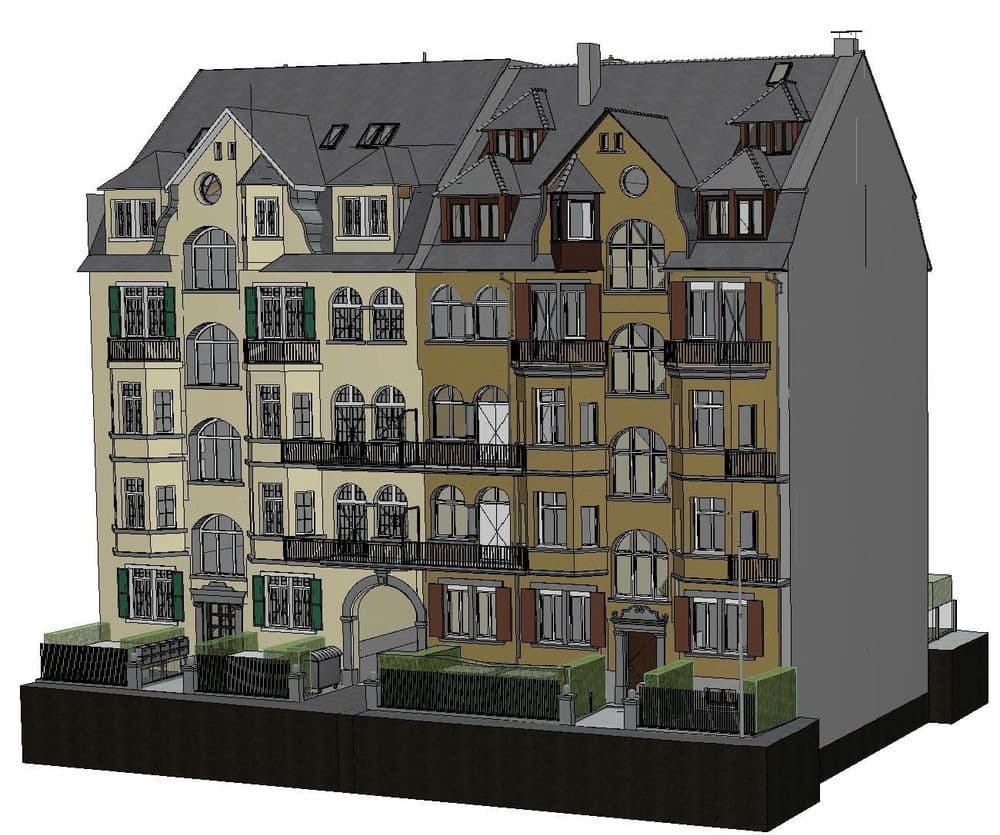
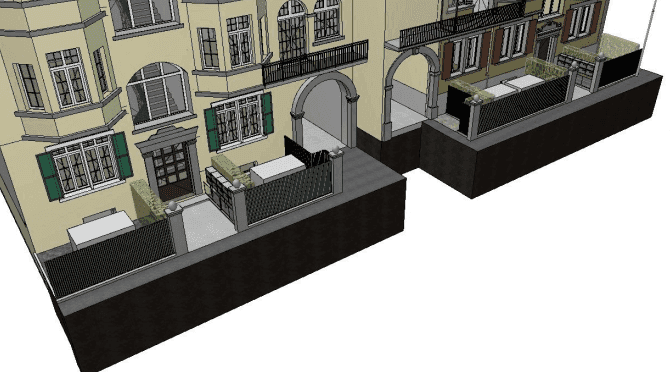
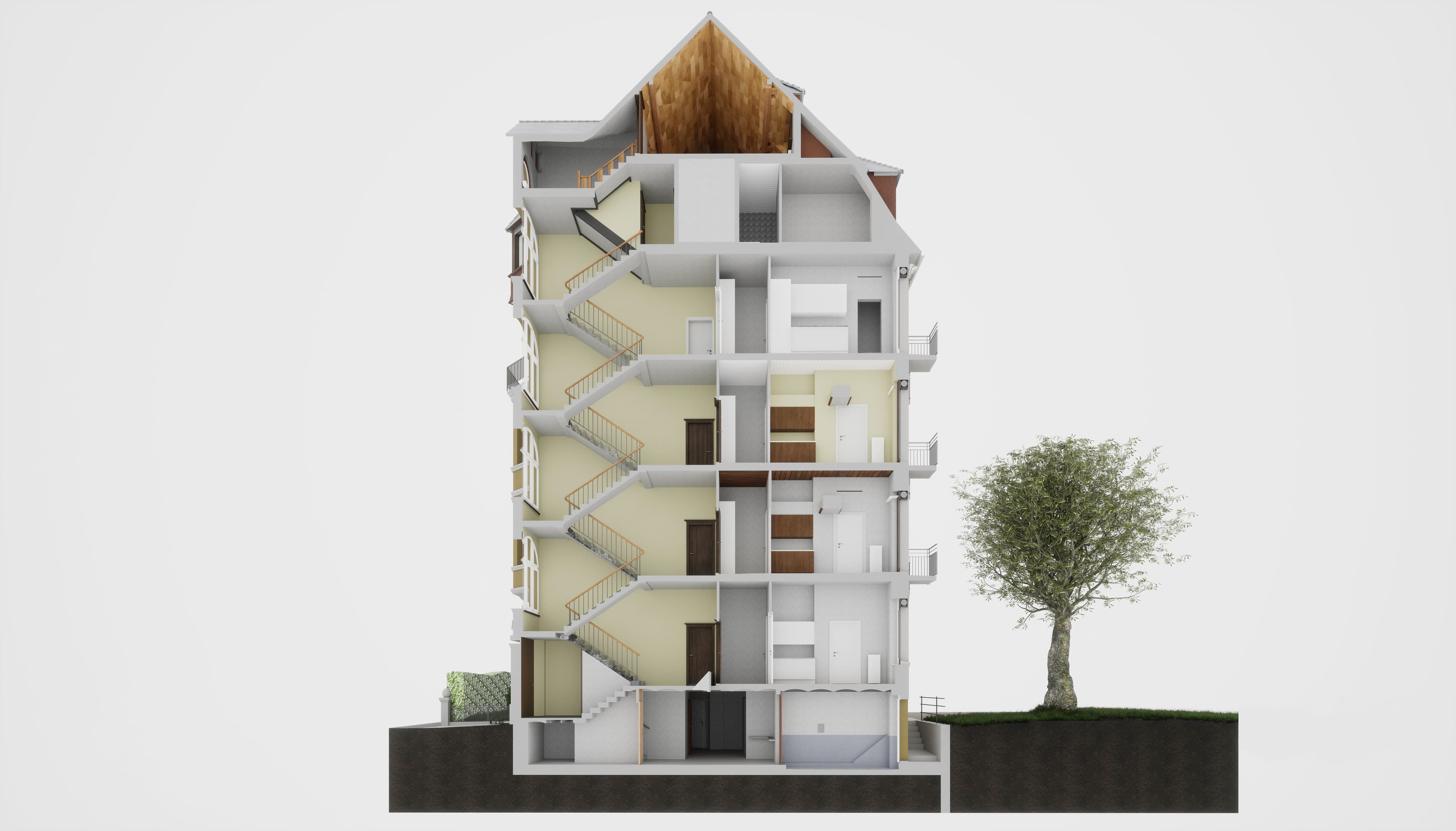
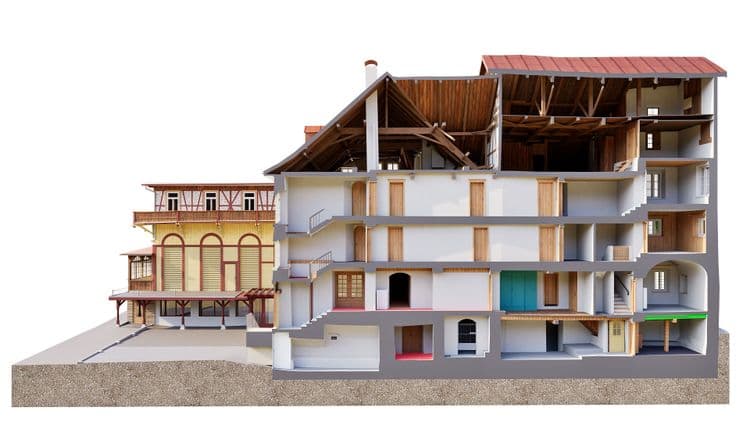
In Zurich's Seefeld district, we were able to support a challenging renovation project with a precise digital basis. In this case study, the architect responsible reports first-hand on her experiences with the 3D as-built model from point cloud data, which we recorded directly on site.
The focus is not on the technology itself, but on the concrete added value in everyday planning: How does work change when plans and reality are congruent? Which decisions can be made earlier, more reliably and more soundly? And what are the challenges of a very precise model when dealing with existing buildings?
- Initial situation before the 3D as-built model The initial situation was a classic existing building: fragmented and sometimes outdated planning documents. The greatest uncertainty lay in the correspondence between plan and reality - particularly in terms of floor heights, ceiling structures, openings and connection details. There was no reliable, spatially consistent basis for precise further planning.
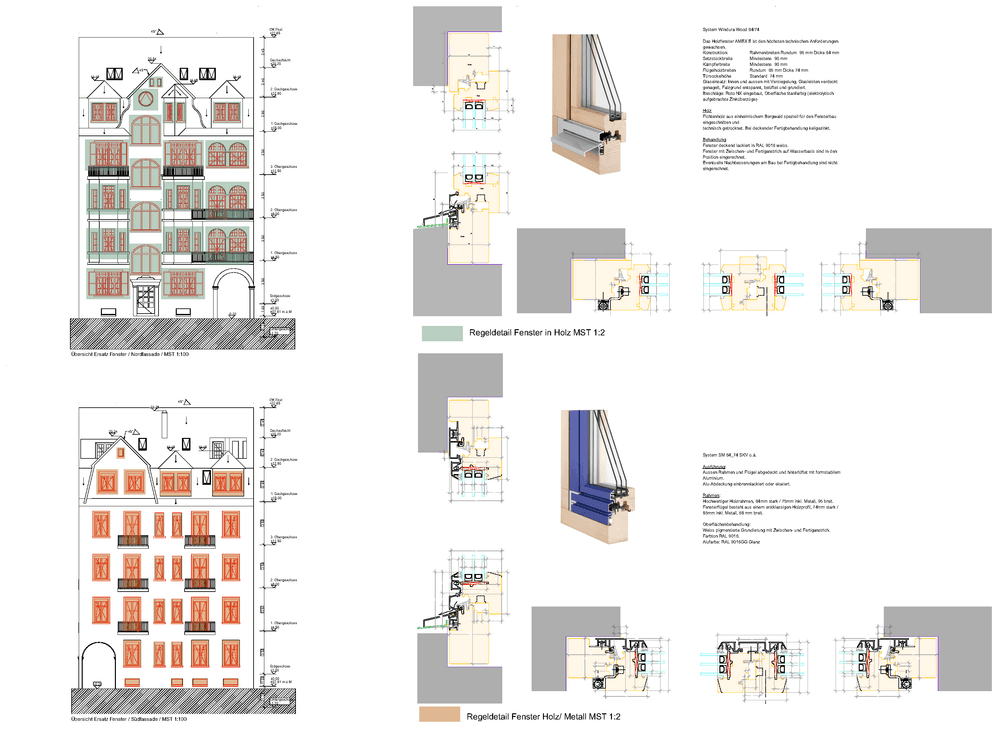
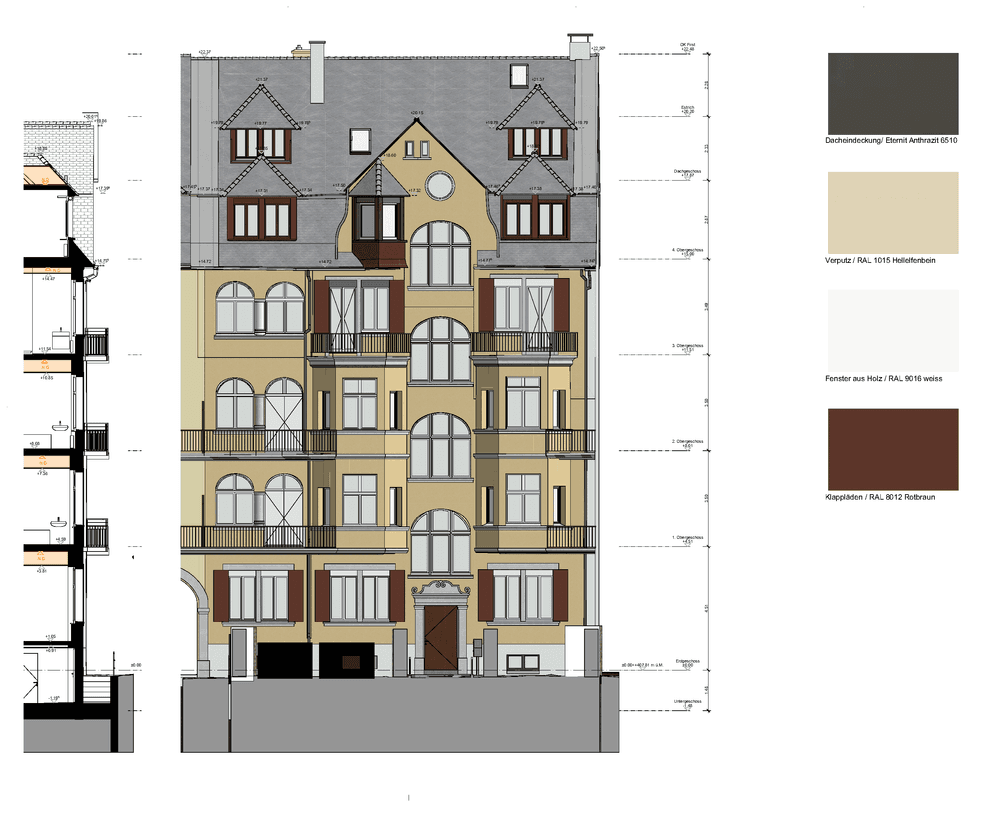
- Further work with the VDE 3D as-built model The VDE 3D as-built model was used directly as a planning basis. It served not only as a reference, but also as an active working model for the development of variants, sections and detailed connections. Adjustments were made on a project-specific basis, but always on the basis of the existing model, thus avoiding media disruptions and interpretation losses.
- Tangible benefits in day-to-day planning and challenges The main benefit in day-to-day work was a significant increase in planning reliability. Collisions, height problems and spatial dependencies could be identified early on. In addition, the automated room stamps could be linked directly to the evaluation tool, allowing area lists to be generated automatically. This proved to be a great added value, especially for the usable area calculation in accordance with SIA 416, as the evaluations were consistent, traceable and could be updated at any time.
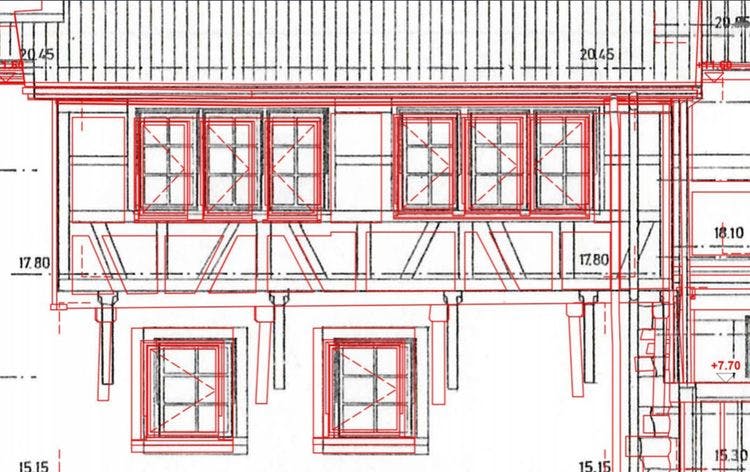
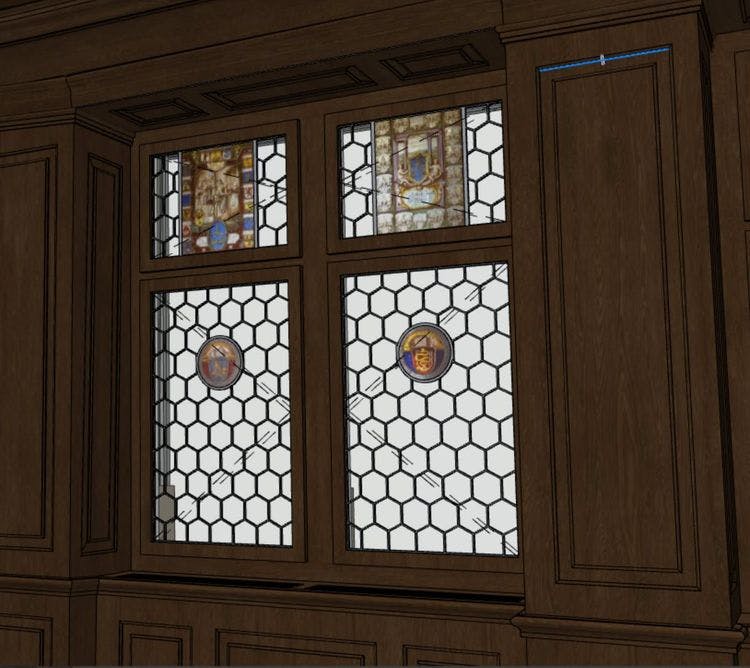
- Critical project moment Yes. When dealing with the existing building stock, especially in the case of old buildings, it became apparent that certain components and details were modelled very precisely and had to be simplified in some cases for further planning. Although this over-accuracy required selective adjustments, it proved to be a clear advantage: it is better to have an over-accurate existing model than inaccurate or missing information. This meant that relevant deviations could be identified early on, deliberately abstracted and solved cleanly in terms of planning - instead of having to correct them on the construction site.
- Added value in terms of planning reliability, time and decisions The 3D as-built model led to a clear reduction in planning risks, fewer queries and more efficient coordination within the team. Although time expenditure was shifted to an earlier project phase, overall it led to faster decision-making processes and fewer correction loops.
Yes - we would work like this again at any time, especially for complex existing projects.