More Blog Posts

Villa Digital
Engineering AG
Tittwiesenstrasse 21
7000 Chur
Alte Landstrasse 248
8708 Männedorf
Zugerstrasse 53
6340 Baar
Neugasse 12
9000 St. Gallen
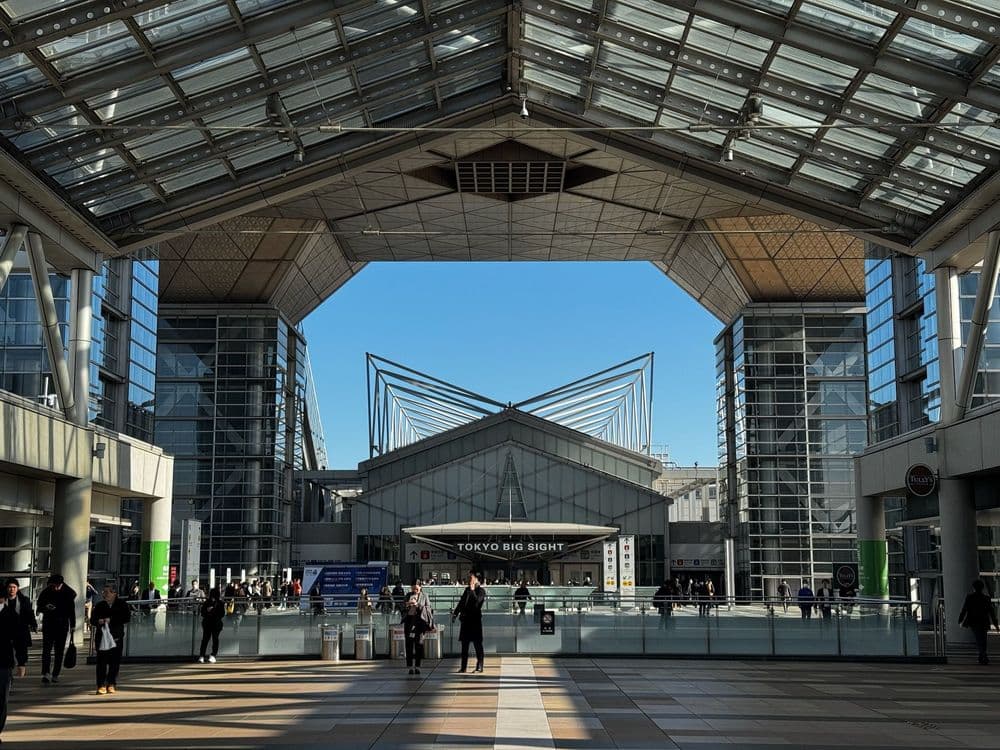
Tokyo Build 2025
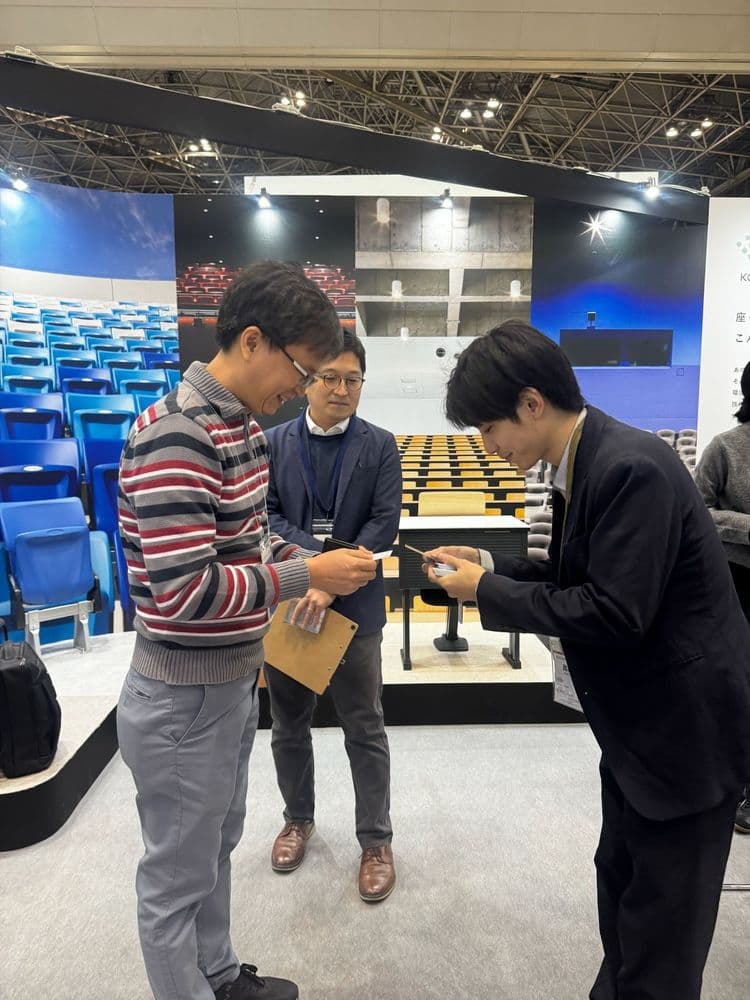
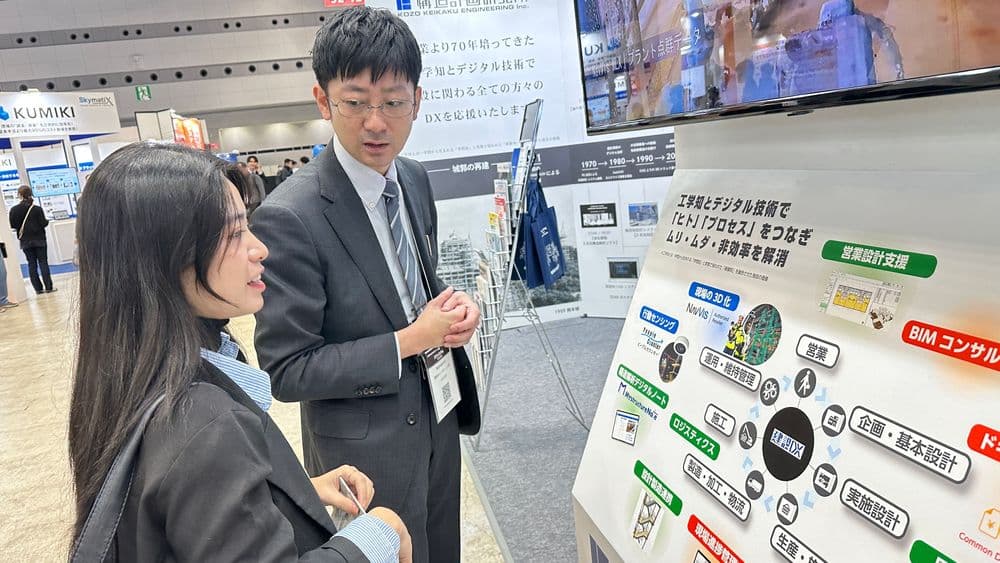
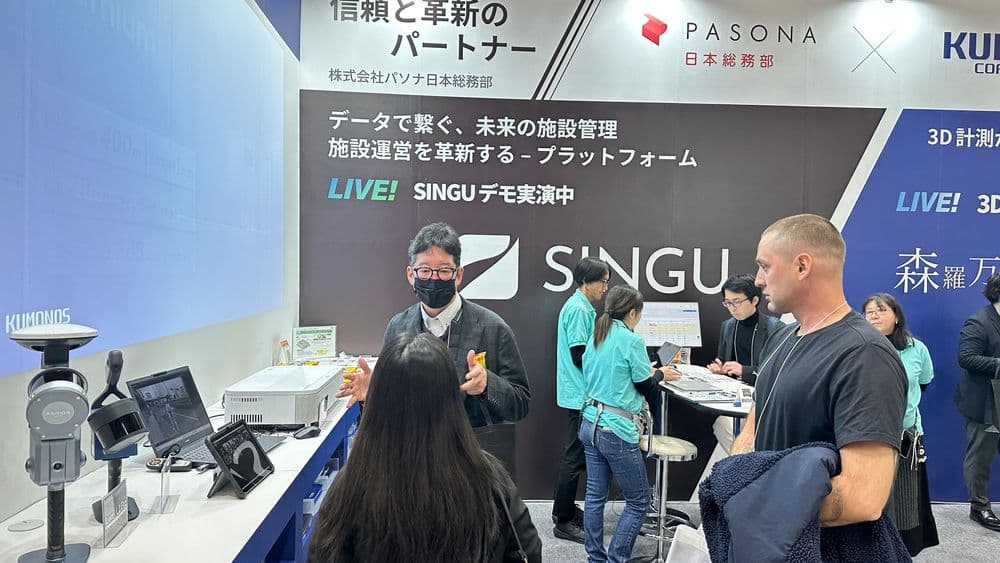
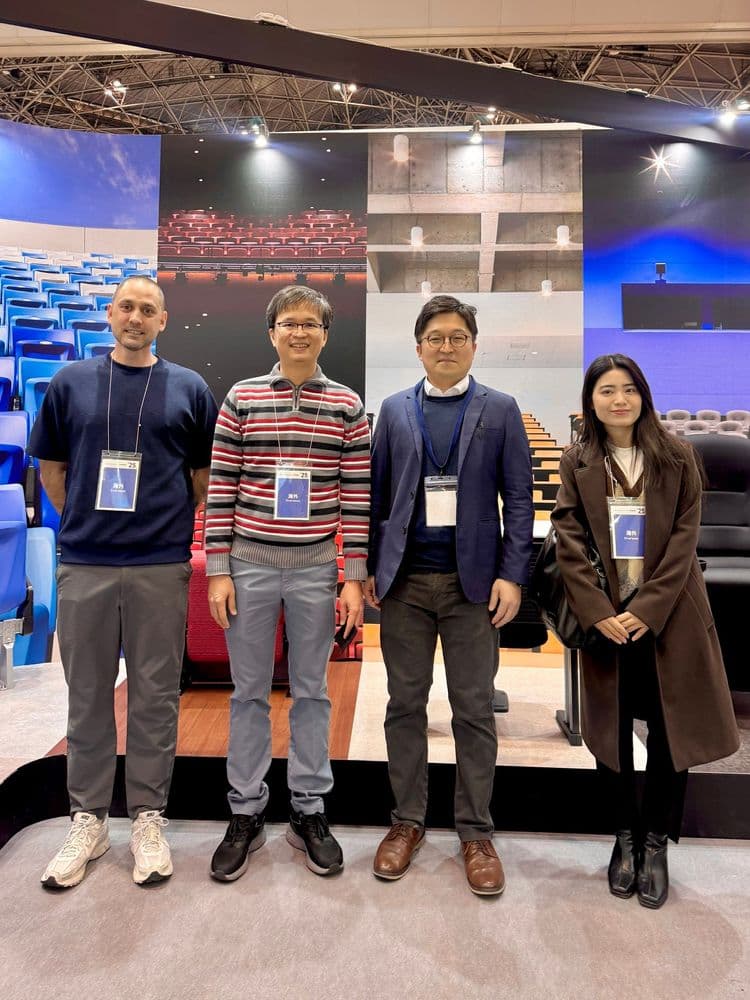
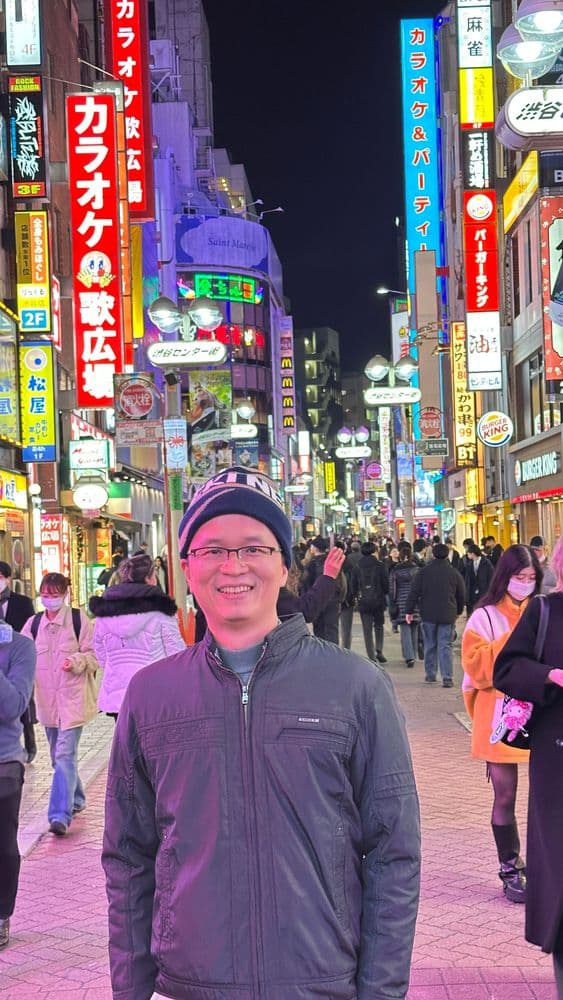
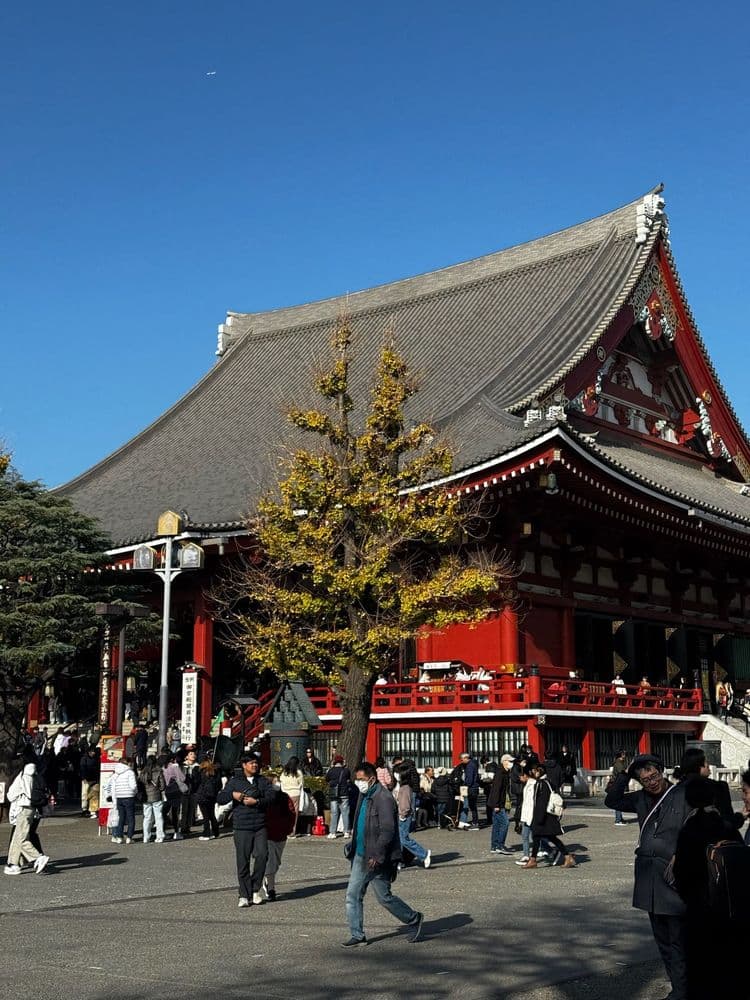
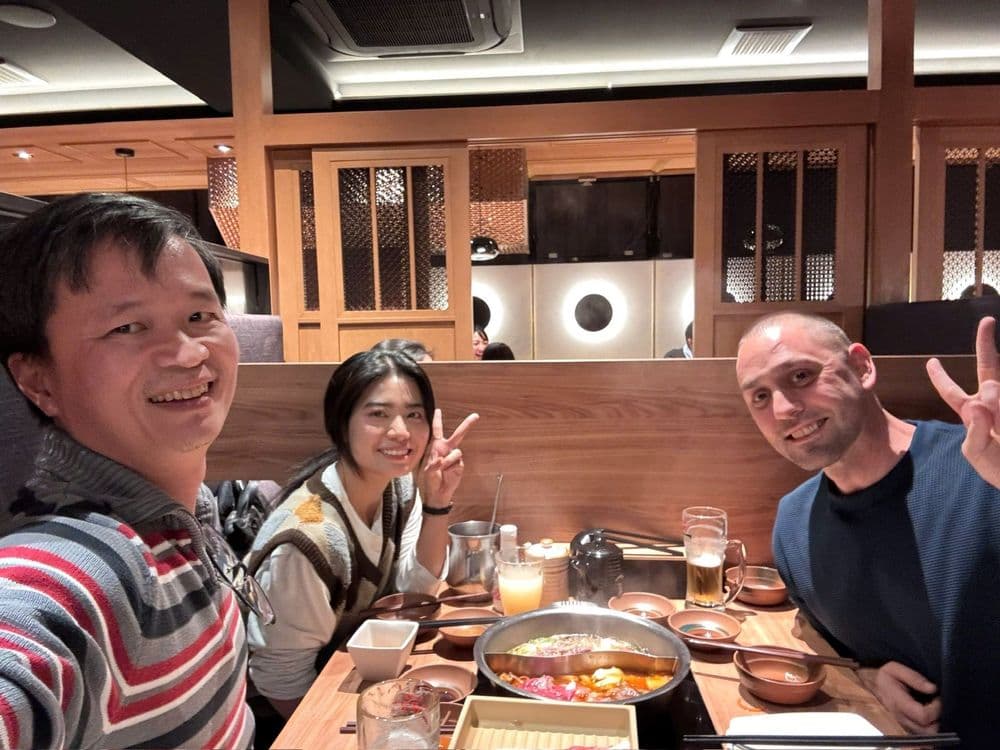
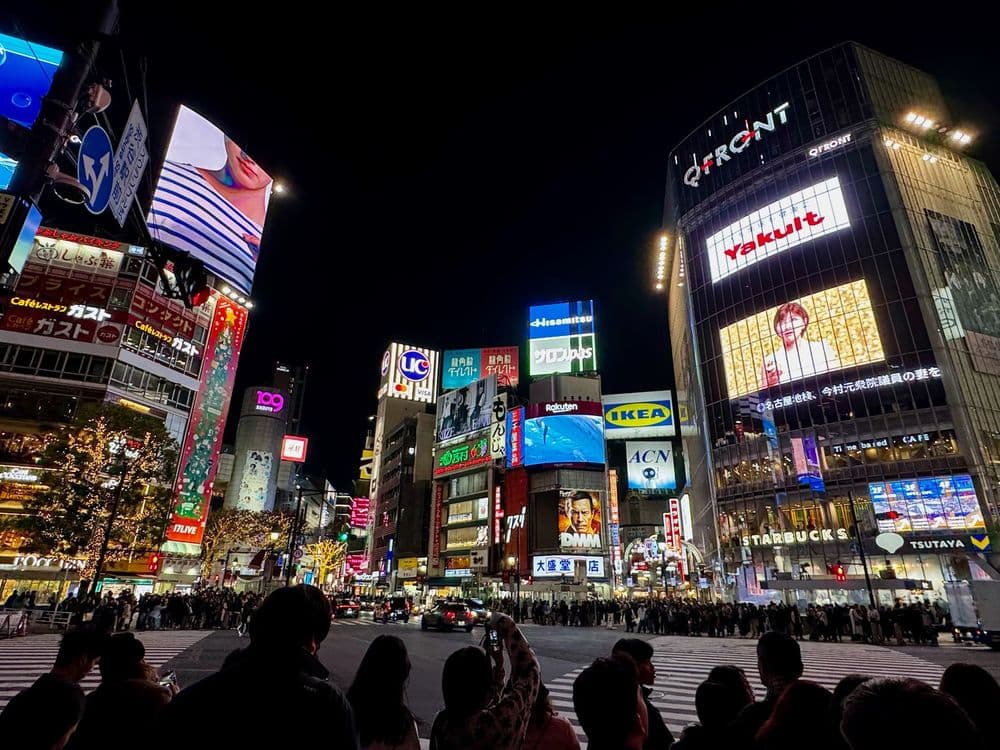
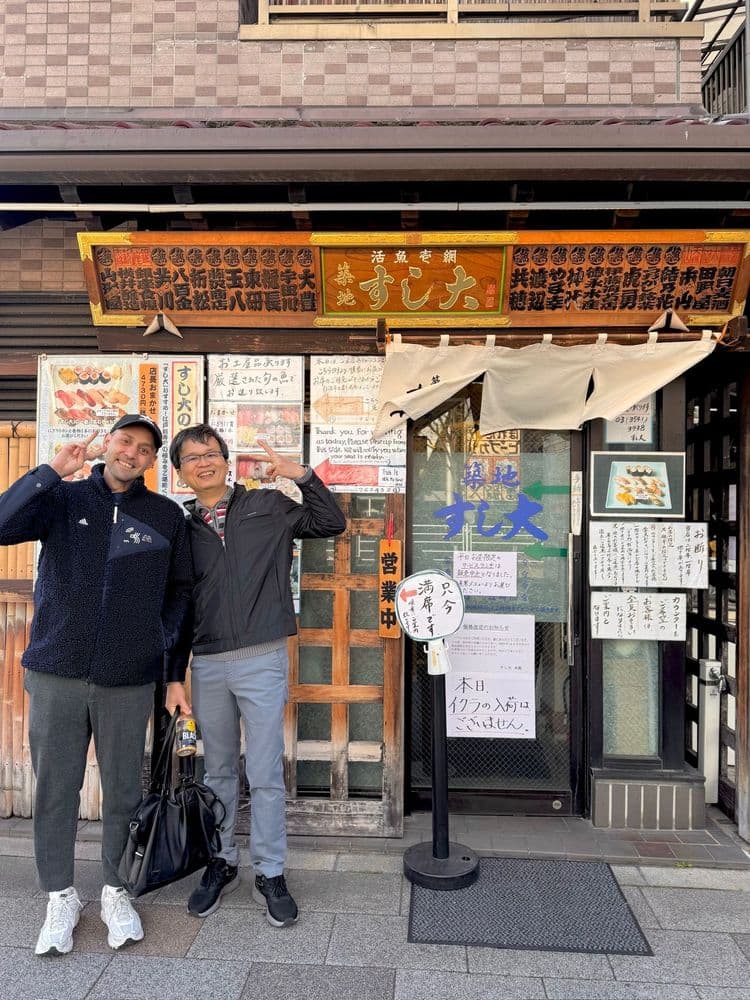
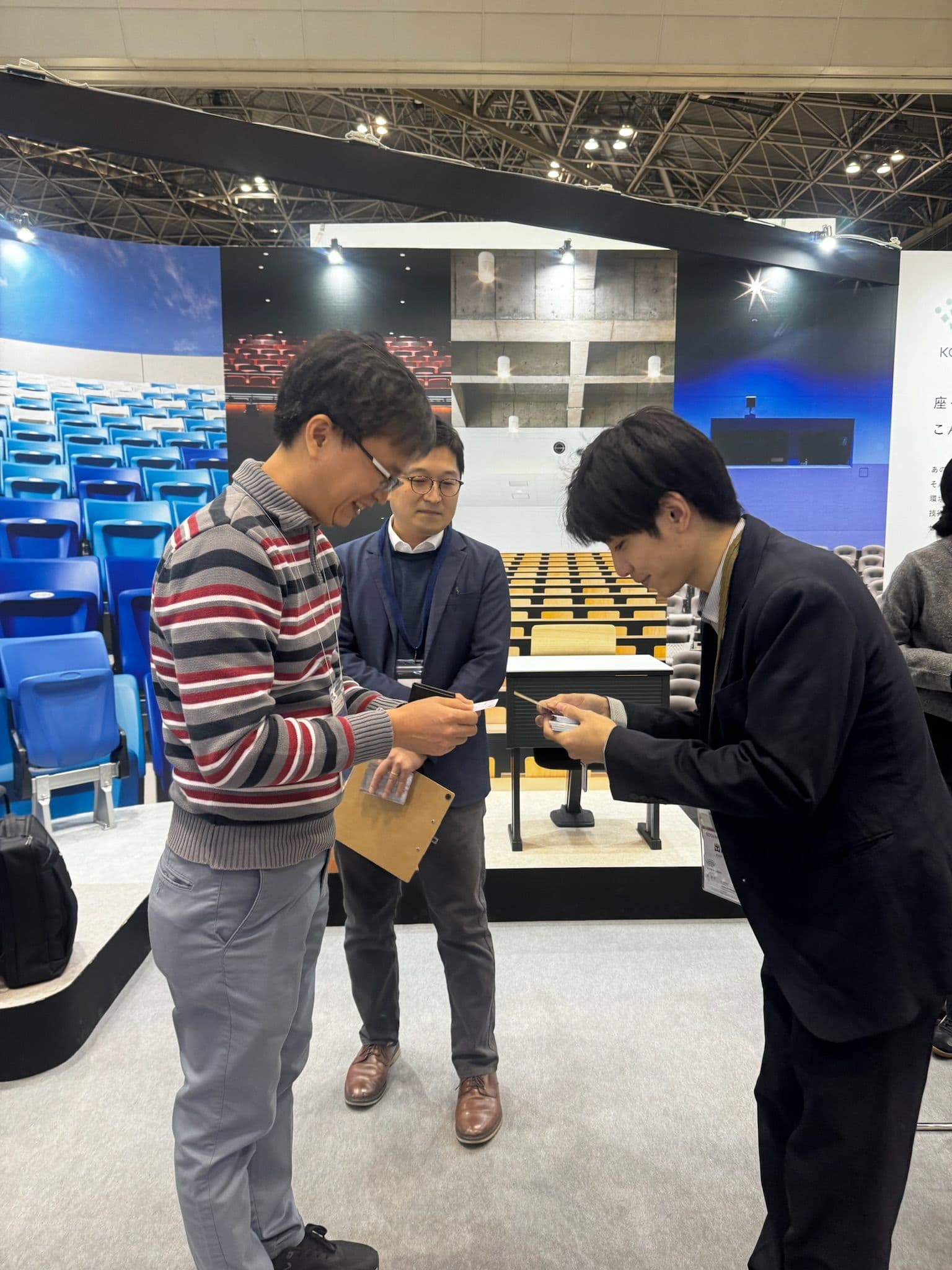
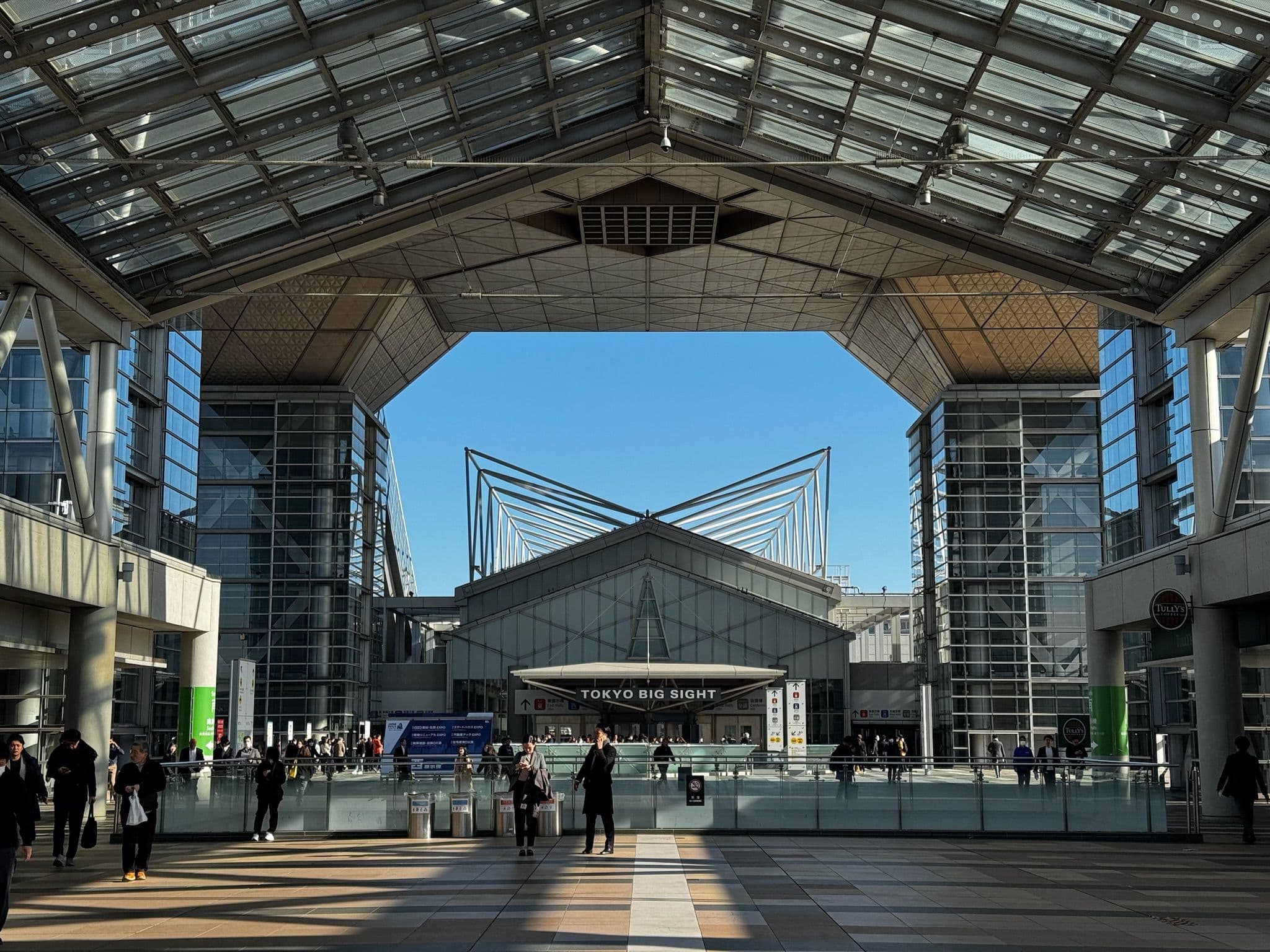
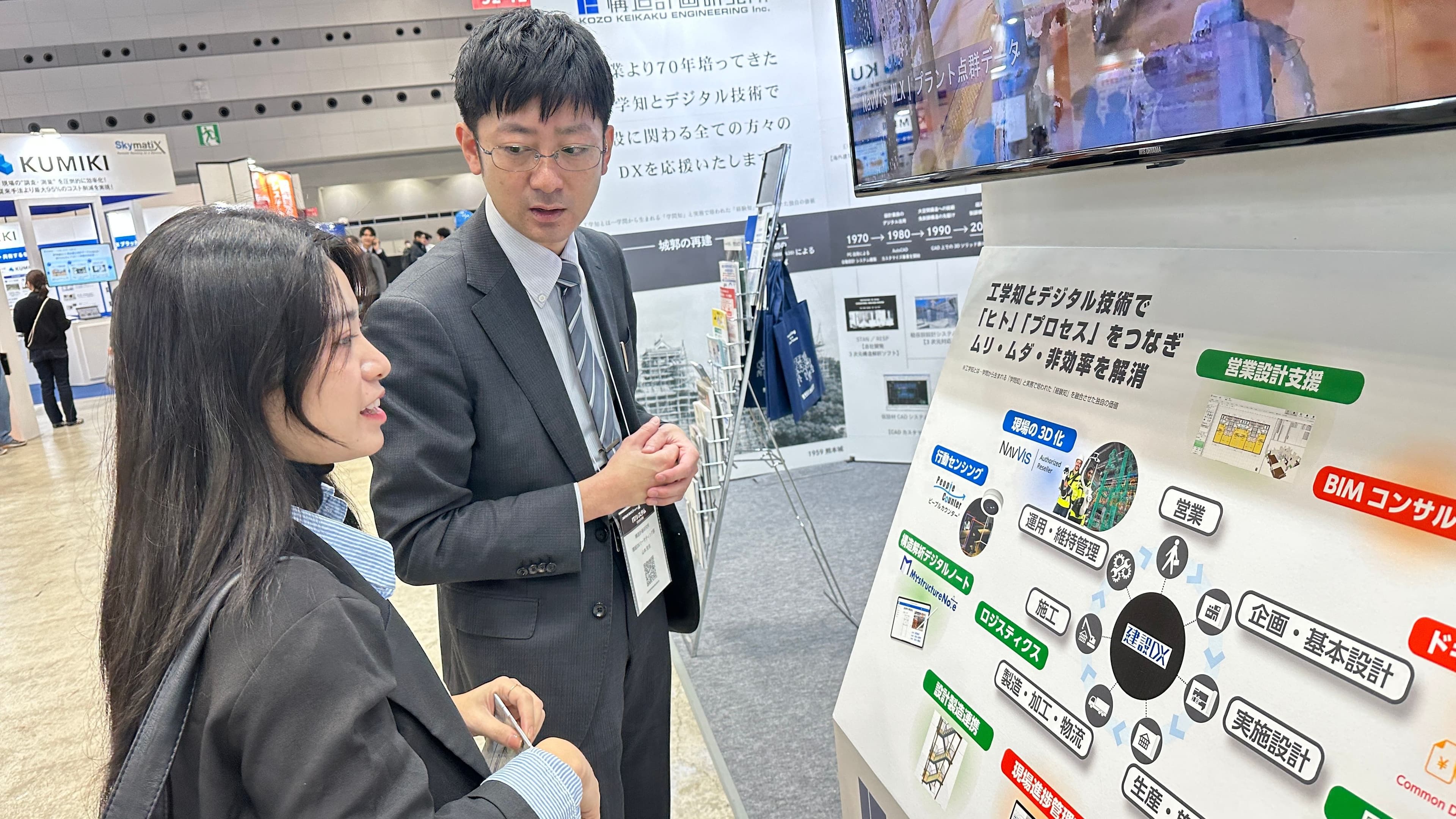
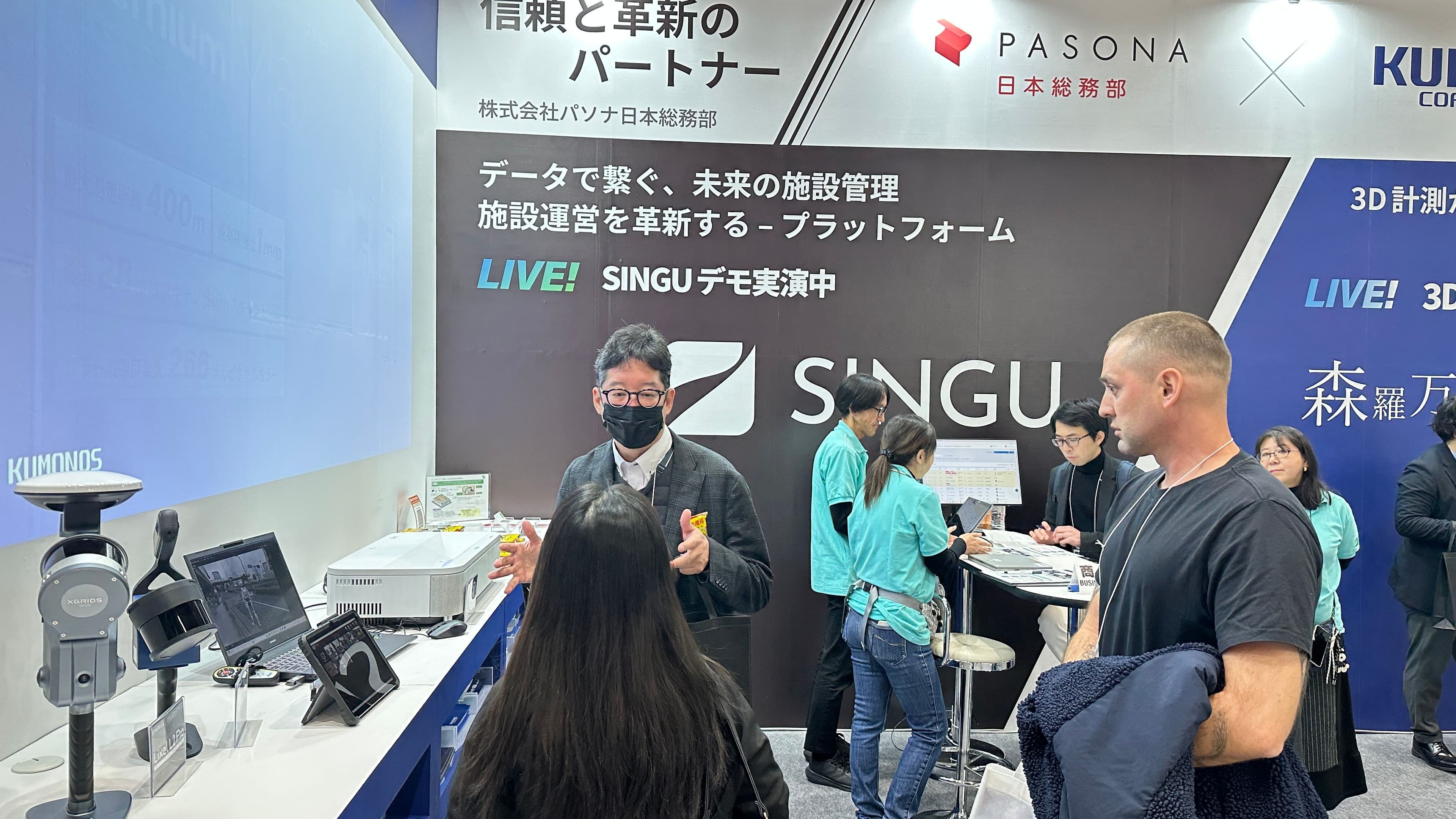
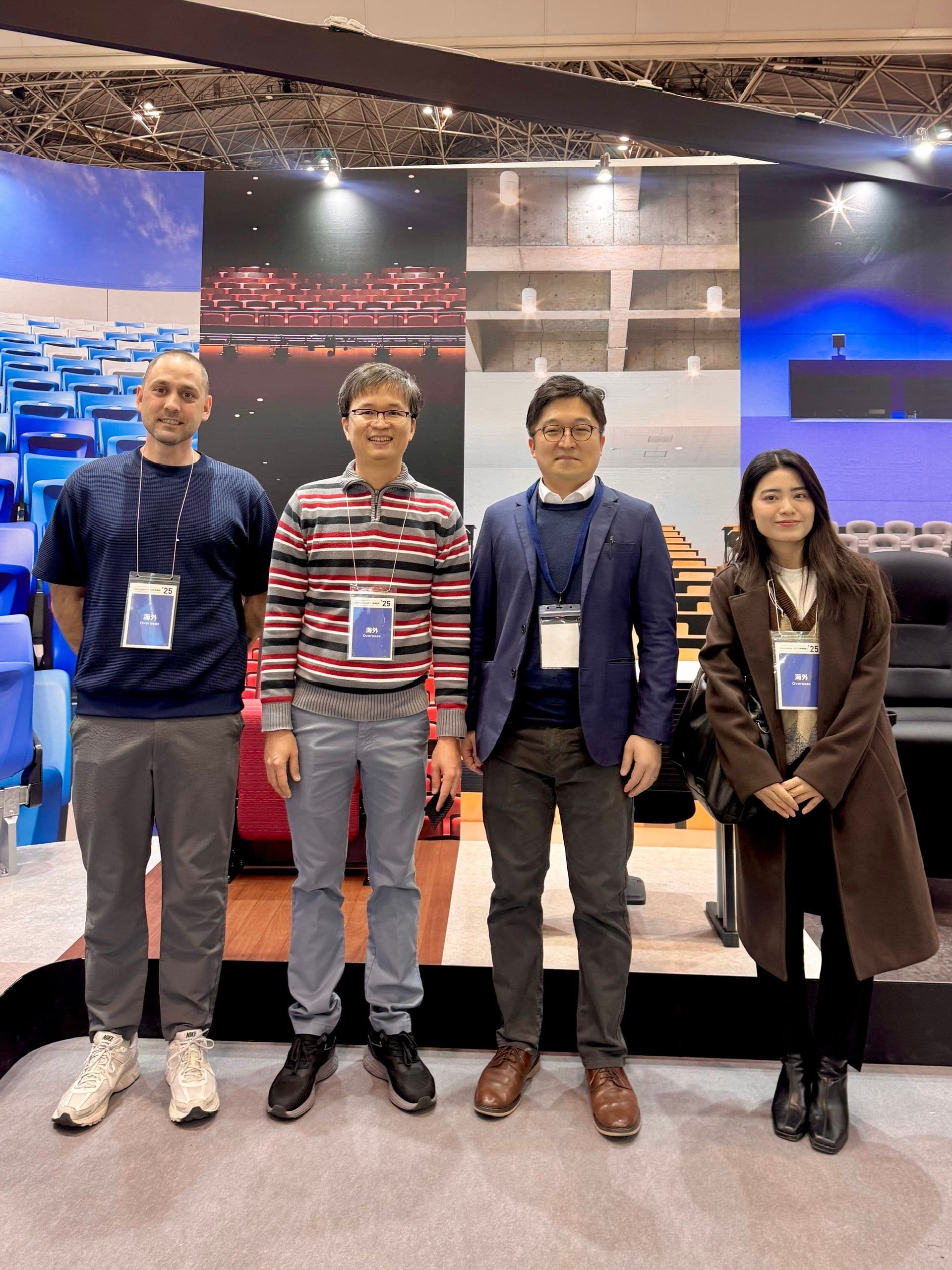
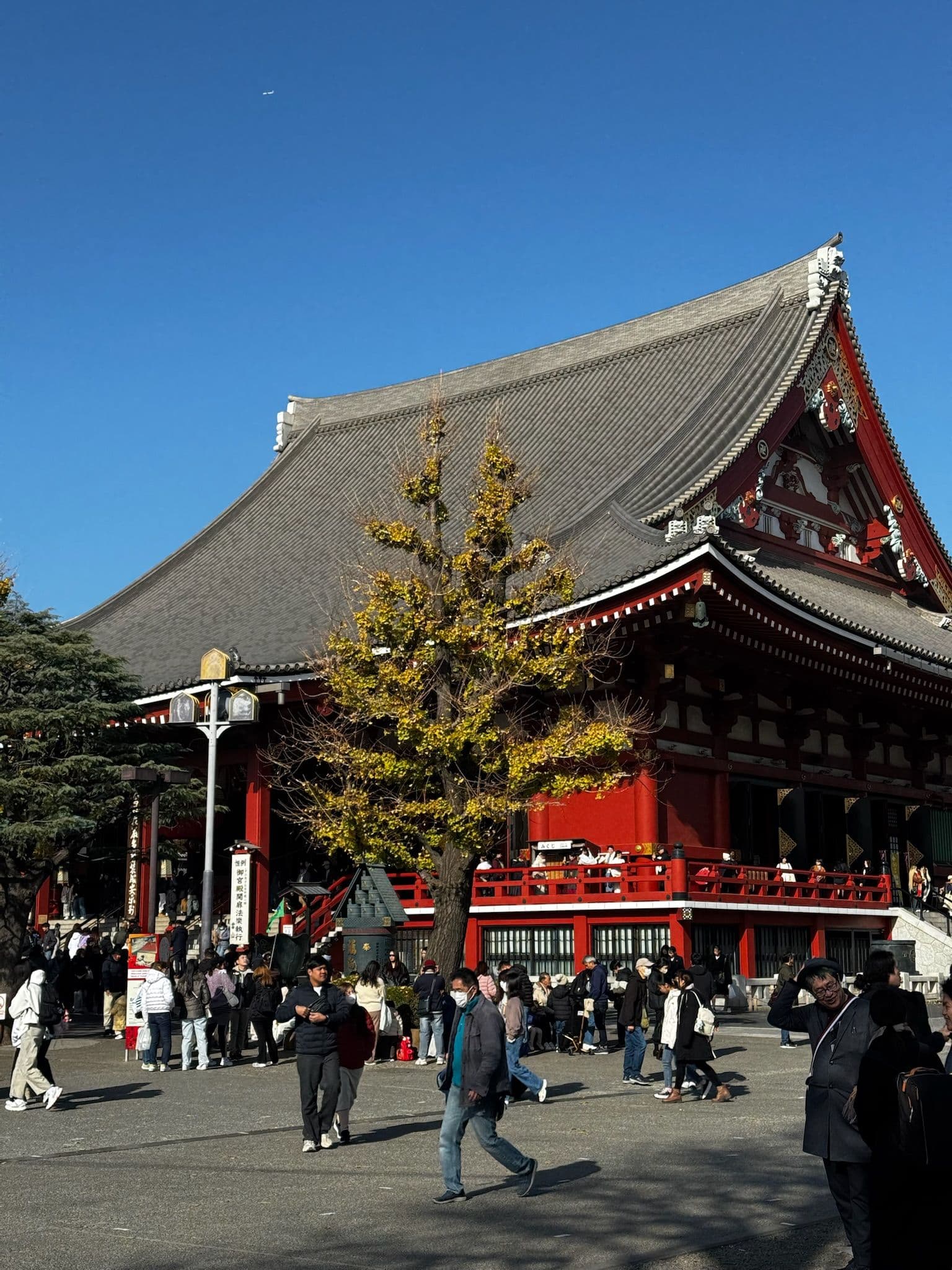
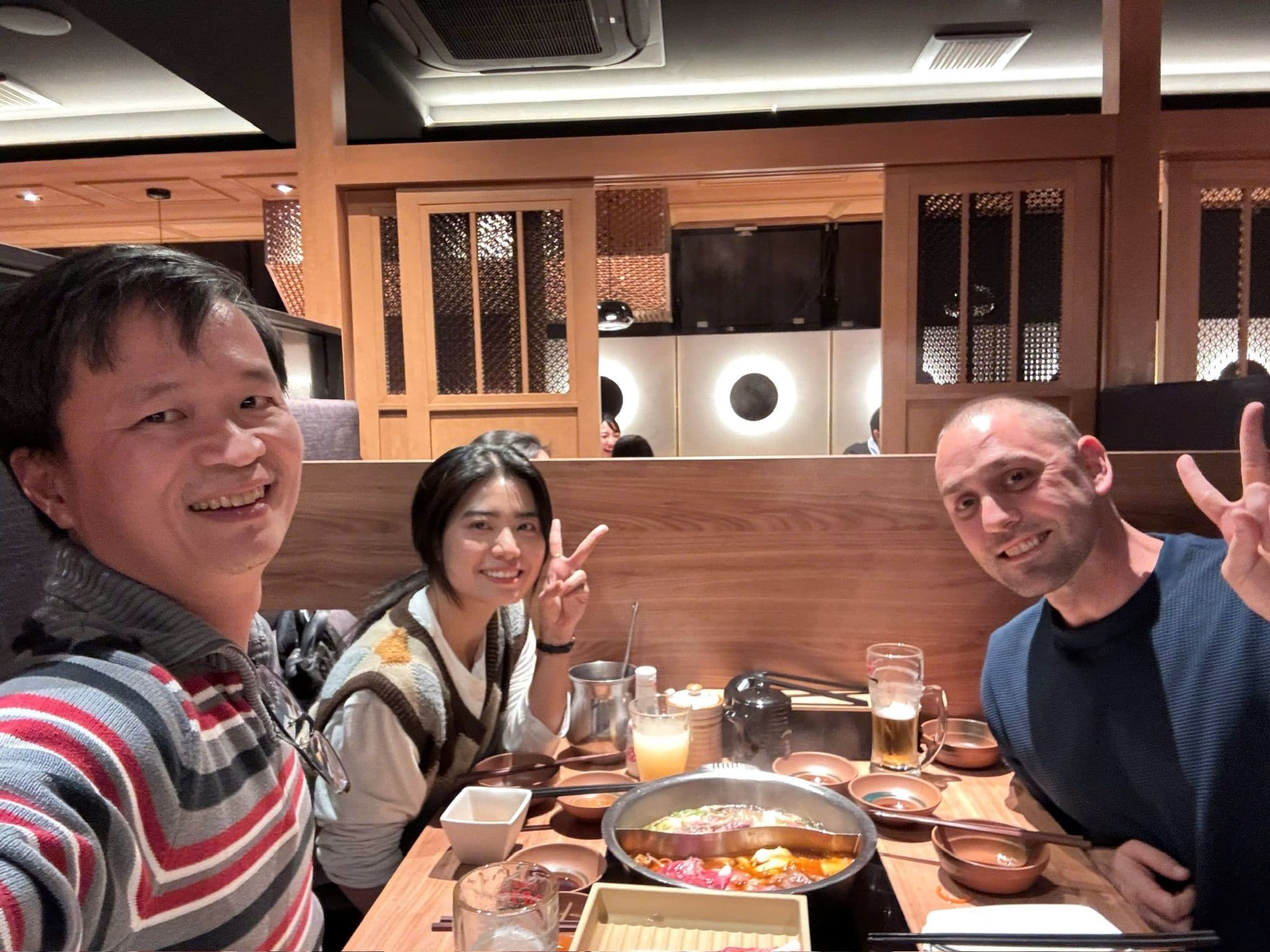
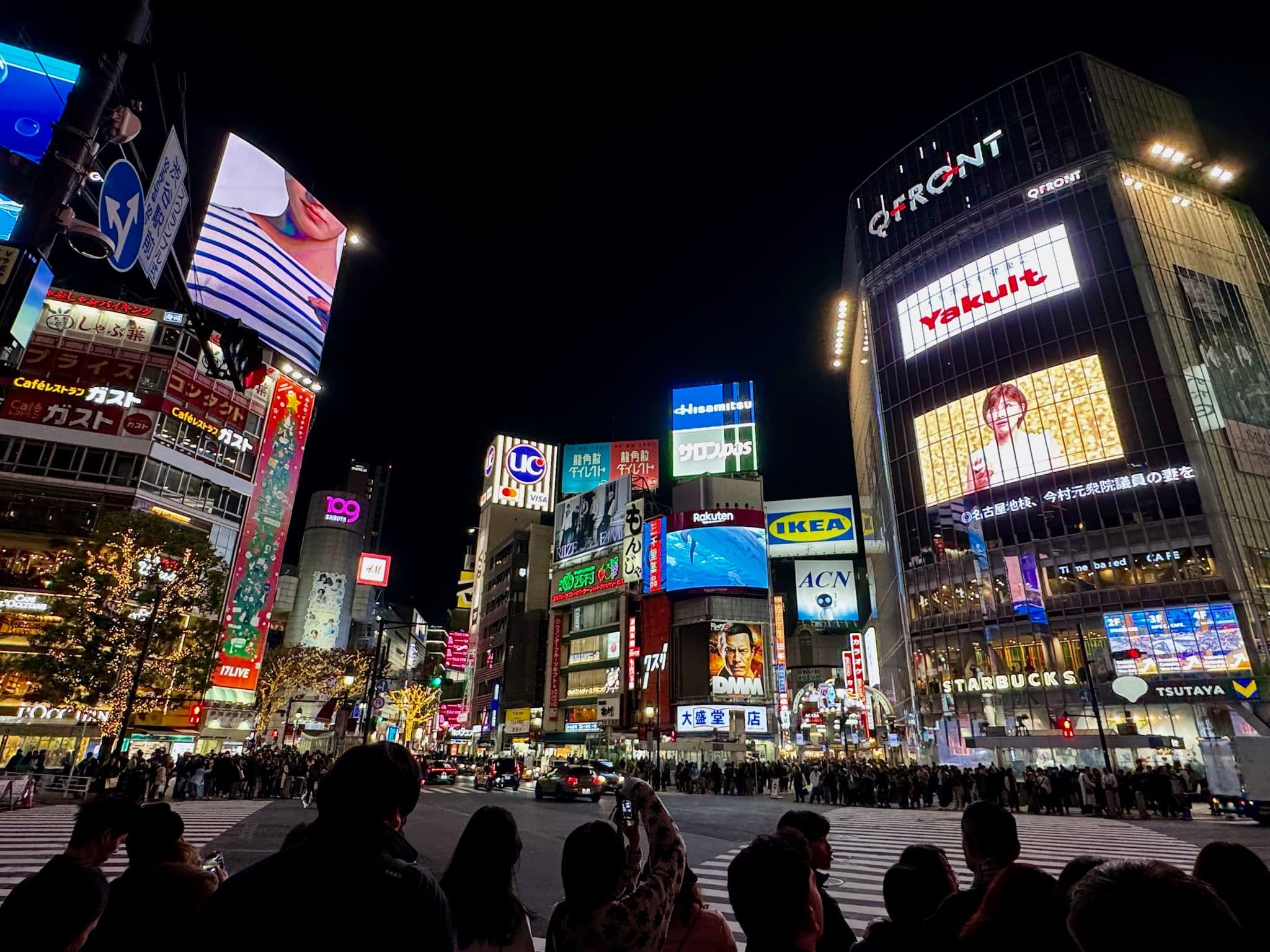
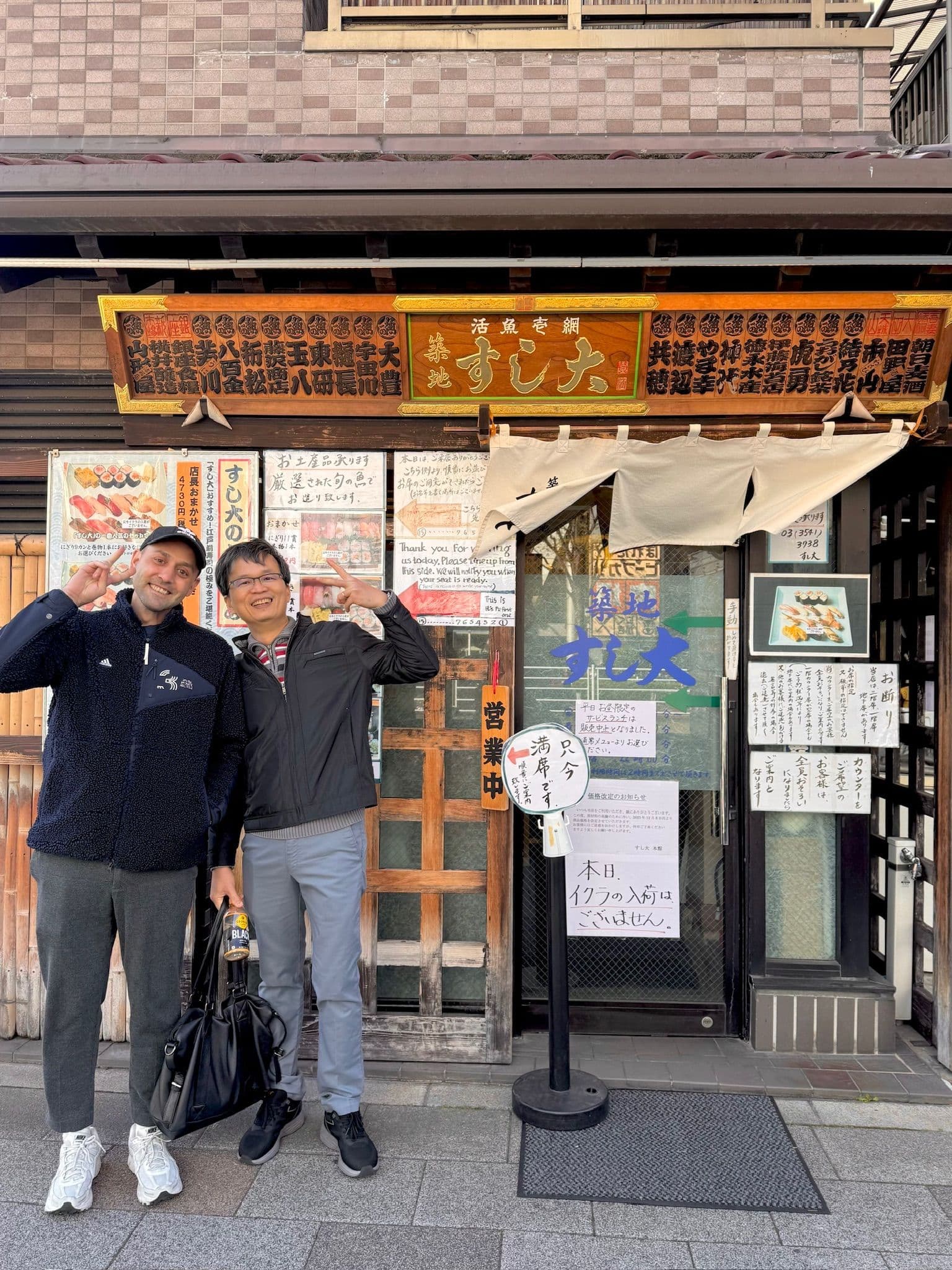
Tradition is so important in Japan because it forms the foundation of identity, stability and social cohesion. You don't feel it as an explanation, but as an atmosphere. Tradition is not something that is talked about. It manifests itself in behaviour, in the rhythm of everyday life and in small, quiet gestures. Why am I talking about tradition and culture in Japan now? Because a few days ago, I was at Tokyo Build with Nguyen Huynh and Ngo Phuong Uyen from our team in Vietnam. We have already had the opportunity to carry out several projects in Japan, and I am very interested in the country and its market. When I travel around Japan, I quickly understand why the country is once again one of the most expensive construction markets in the world. It is no coincidence that five cities are among the global top 15. This has less to do with prestige and much more to do with attitude. Japan does not build expensively, Japan builds consistently. Tradition is not romantic baggage here. It is a functioning system. Responsibilities are clearly distributed, processes are carefully prepared, and quality is not discussed but assumed. This is precisely what makes projects stable – even when everything around them becomes more difficult: rising costs, a shortage of skilled workers, uncertain supply chains. At the same time, it is clear that Japan is also under pressure. Pure manual labour, old processes and endless presence on the construction site no longer work. But instead of throwing everything overboard, something very typical is happening: people are adapting without losing their own values. Digitalisation, new delivery models, prefabrication, BIM – all of these are being used, but not to be faster, but to avoid mistakes and ensure quality. Technology is a means to an end. In conversations at the trade fair, I noticed that Japan – especially when it comes to building renovation – is not yet where we are in Switzerland today. Here, 3D has gone from being a trend to the absolute majority in recent years. In Japan, I see many parallels with the Swiss market five or six years ago. There is enormous interest in 3D building models. It's about accuracy, risks in existing buildings and better decision-making. And yet, in the end, something familiar often happens: when it comes to the final decision, people fall back on the familiar 2D version. Not because they don't want 3D, but because the last step is still missing. The step from "we know that 3D would be better" to "we are now using it consistently".